
Bentonite vs Polymer in HDD: Which Fluid System Should You Use?
There is no universal rule that an HDD fluid should be bentonite-based or polymer-based. The right system follows the formation, water quality, filtration requirement, cuttings behavior and drilling stage.
Bore support, filtercake, suspension and base-fluid structure in suitable formations.
Encapsulation, cuttings integrity and reactive-solids control without simply adding more mineral solids.
MUDOCLAY-OFF reduces hydration/swelling; it is not the same function as encapsulation.
Mixed ground often needs bentonite plus polymer, filtration and rheology functions together.
What bentonite does well
ALKABEN is most useful where the fluid needs a mineral-based structure for bore support, filtercake development, suspension and filtration. Its performance still depends strongly on make-up-water quality and proper hydration.
What polymer does differently
POLYWELL and DRILL-WELL are not liquid or stronger versions of bentonite. Their main role is encapsulation and reactive-solids control, helping drilled clay remain manageable instead of dispersing into ultrafine solids.
Where MUDOCLAY-OFF fits
MUDOCLAY-OFF belongs to true inhibition/stabilization. When the formation itself hydrates, swells or softens, inhibition may be needed in addition to POLYWELL or DRILL-WELL encapsulation.
Formation examples
Permeable sand may start with ALKABEN plus filtration support. Sticky reactive clay may favor conditioned water, MUDOCLAY-OFF and POLYWELL/DRILL-WELL. Mixed sand/clay often benefits from a combined system rather than a rigid either/or choice.
Water quality comes before both choices
Check pH, hardness, calcium and salinity where relevant before deciding that bentonite or polymer is weak. SODA ASH can support make-up-water conditioning where the measured chemistry justifies it.
More bentonite and more polymer are not automatically better
Excess bentonite increases mineral solids; excess polymer can increase viscosity, cost and mixing difficulty. Build only the functions the bore actually needs.
What Mudolog needs from you
Send the field variables that change the fluid decision. A short, technically complete HDD RFQ is more useful than a generic request for “mud chemical price”.
- Formation profile
- Bore length
- Pilot and final diameter
- Make-up water source
- Drilling / reaming stage
- Current fluid formulation
- Reactive-clay observations
- Returns condition
- Main field problem
Products by field function
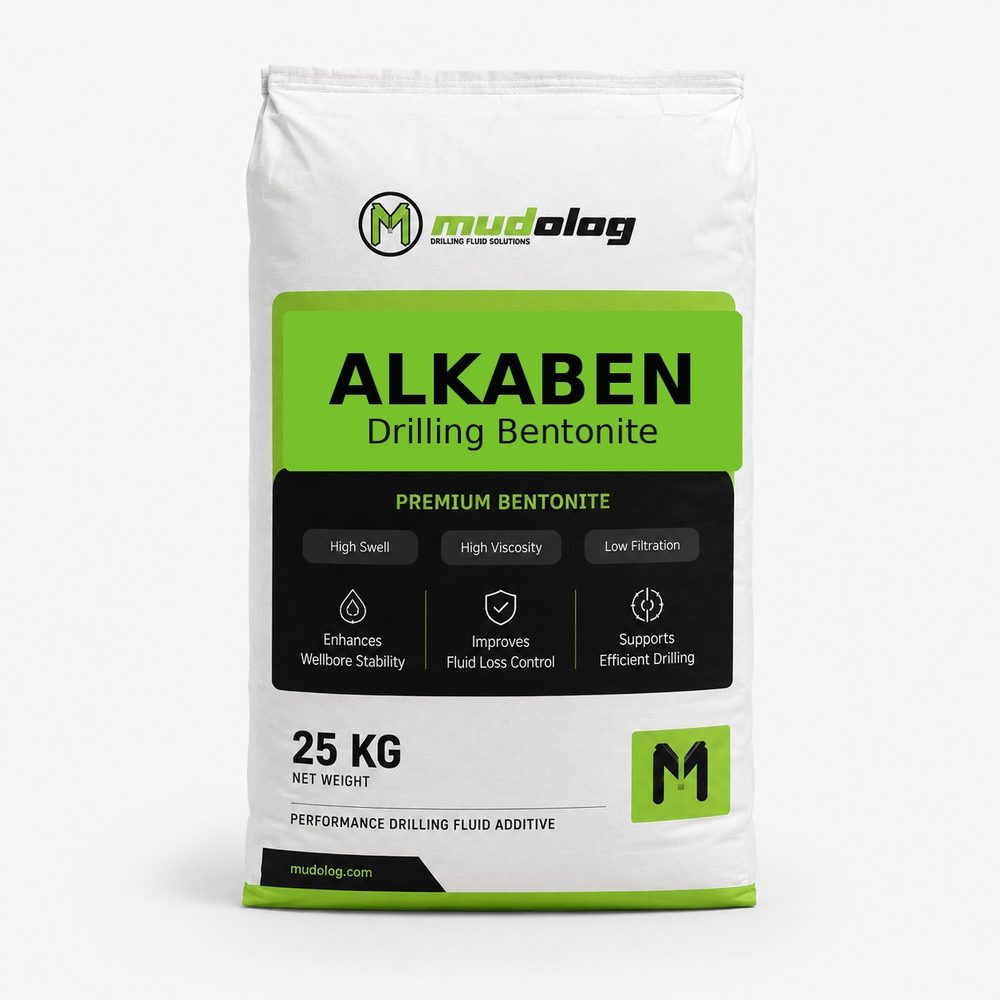 ALKABENDrilling Bentonite
Bentonite-based drilling additive supplied in 25 kg bags.
View product → POLYWELLPowder Drilling Polymer
Powder drilling polymer for viscosity, cuttings transport, clay control and borehole stability.
View product →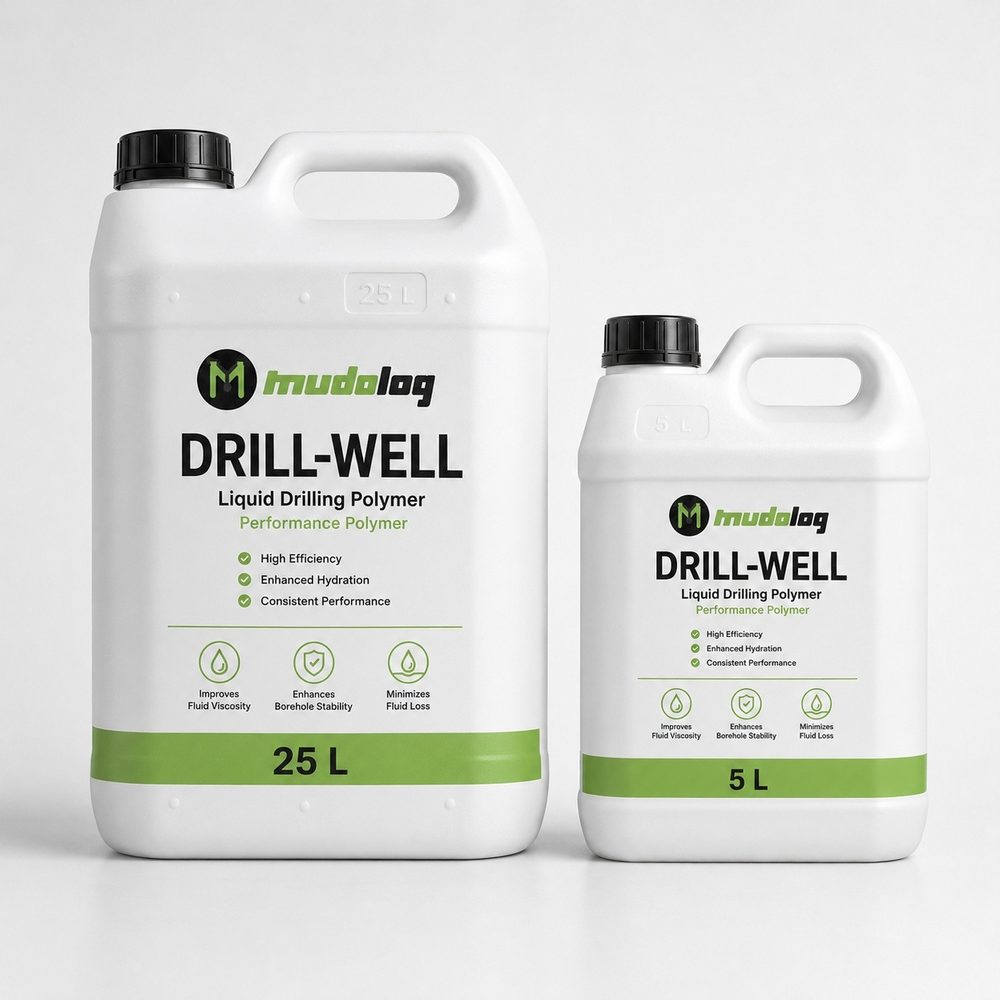 DRILL-WELLLiquid Drilling Polymer
Fast-mixing liquid polymer for practical field dosing in HDD, water well and core drilling.
View product →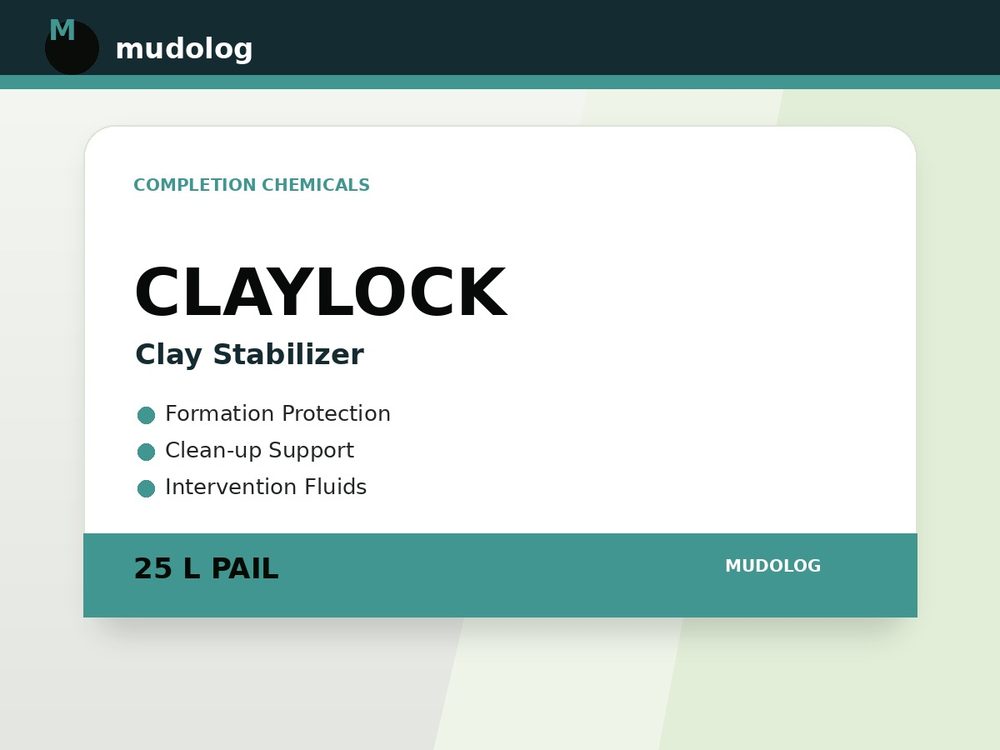 MUDOCLAY-OFFReactive Clay Inhibitor & Stabilizer
Reactive clay inhibitor and stabilizer for water-sensitive clay and shale in compatible drilling and completion fluids.
View product →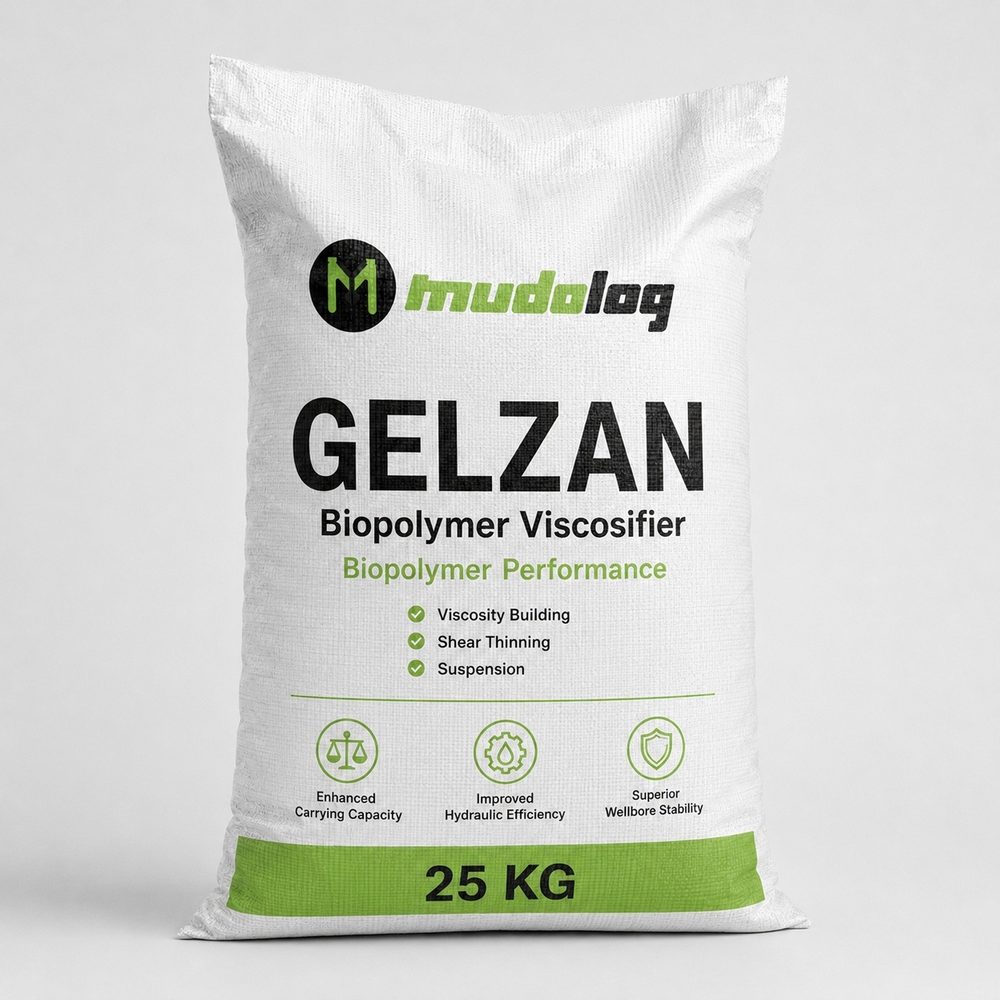 MUDOZANBiopolymer Viscosifier
Biopolymer viscosifier for strong low-shear viscosity, suspension and carrying capacity.
View product →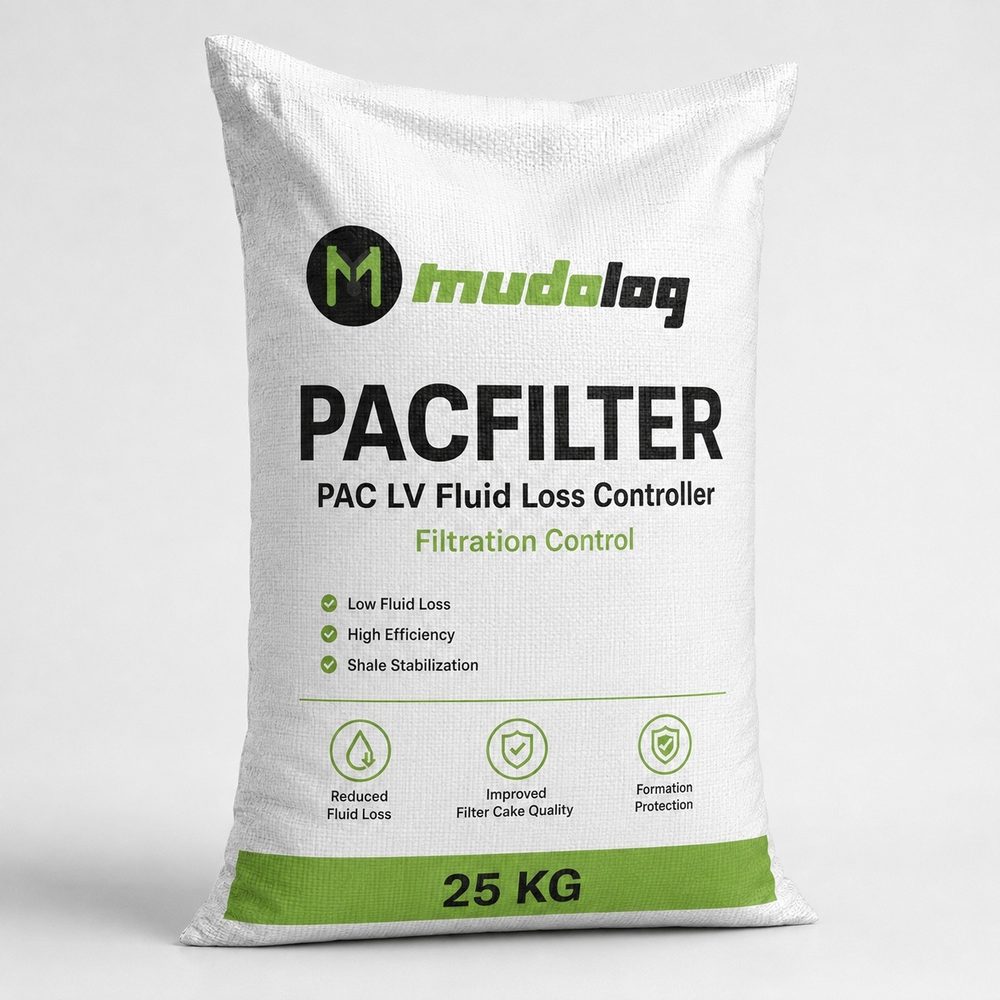 MUDOPAC-LVPAC LV Fluid Loss Controller
PAC LV fluid loss additive for low-viscosity filtration control and stable filter cake formation.
View product →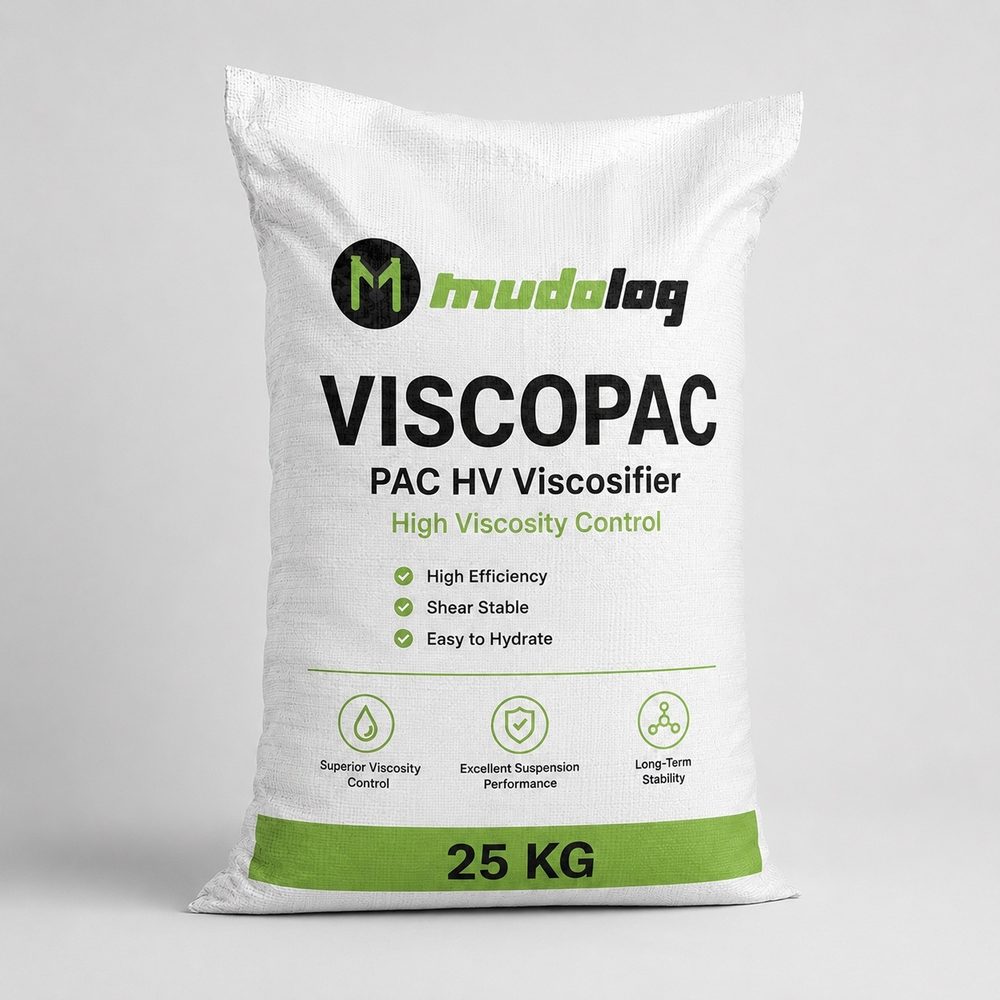 MUDOPAC-HVPAC HV Viscosifier
PAC HV additive for viscosity, carrying capacity and filtration control.
View product →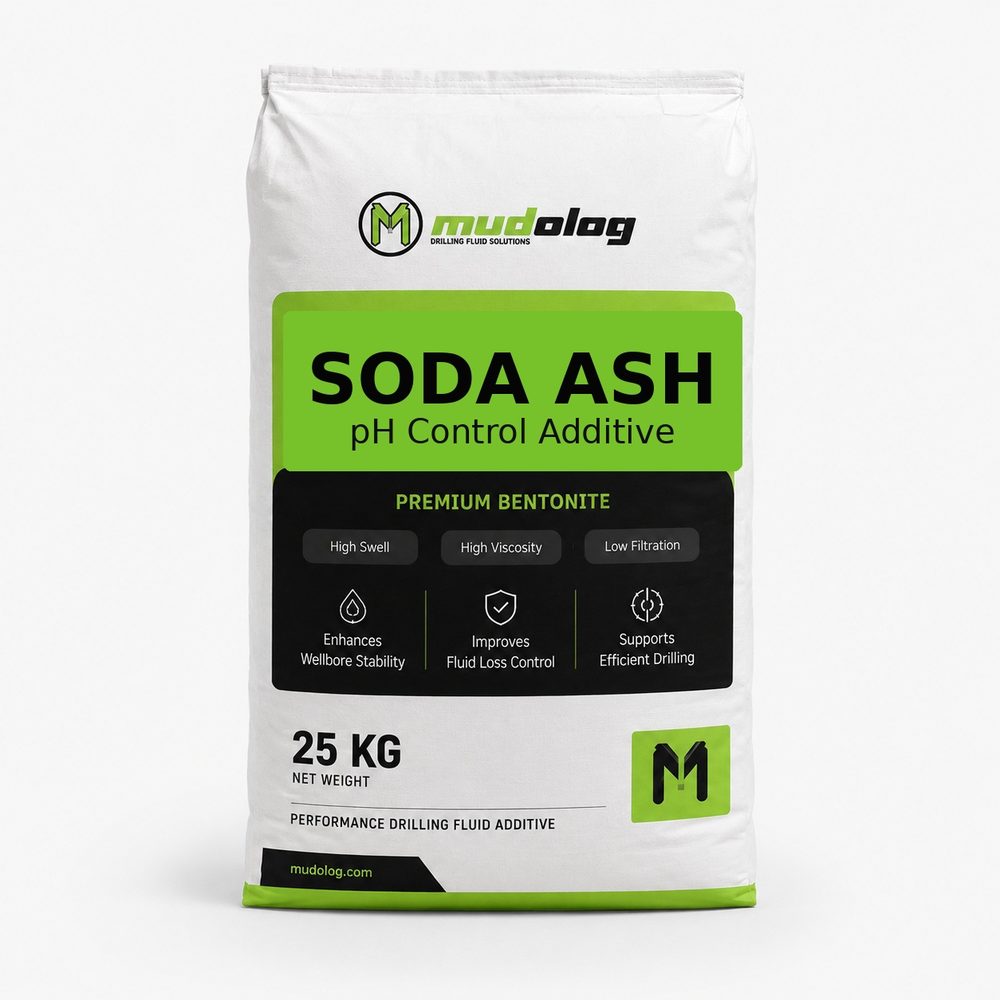 SODA ASHpH Control Additive
Soda ash for pH, alkalinity and make-up water conditioning.
View product → MUDOLUBEDrilling Lubricant
Liquid drilling lubricant for water-based mud systems where friction, torque, drag and sticking tendency must be controlled.
View product →Build the fluid around the actual water, formation and field symptom
Share the bore geometry, make-up water, current mud, returns and the specific clay, cleaning, filtration, friction or loss problem. Mudolog can then route the enquiry to the correct product function.