
HDD Drilling Fluid Water Quality: Why Good Chemicals Can Fail in Bad Water
The same bentonite or polymer can behave very differently in soft freshwater, hard groundwater, saline water or recycled fluid. Before increasing additive dosage, check the environment into which the product is being mixed.
Calcium and magnesium can change clay and polymer hydration and increase additive demand.
Brackish, recycled or formation water can behave very differently from clean freshwater.
Condition the water before building the base fluid; then add each function in a deliberate order.
Do not add more product before the existing bentonite/polymer has had a fair chance to disperse and hydrate.
Soda ash belongs at the water-conditioning stage
SODA ASH is the main Mudolog support chemical for make-up-water conditioning where soluble calcium and alkalinity need correction. It is not a universal “mud improver” and should not be dosed blindly into every tank. Measure, condition, recheck and then build the fluid.
Sodium bicarbonate has a different job
SODIUM BICARBONATE should be kept separate from soda ash in both SEO and field selection. It is particularly relevant where cement/lime contamination creates excessive calcium and alkalinity in a compatible water-based system. The response should be based on the actual contamination rather than a routine pre-treatment.
Citric acid is a controlled correction tool
CITRIC ACID can be considered for controlled pH reduction and selected contamination, cleanup or compatibility problems. It should not be marketed as an additive that belongs in every HDD tank. The specific chemical objective must be clear before acid is introduced.
Then build the fluid in sequence
A practical sequence is: test water → condition water → hydrate ALKABEN where bentonite is used → add POLYWELL/MUDOZAN/PAC/CMC according to the required functions → add MUDOLUBE, MUDODEF or LCM only where the field condition justifies them.
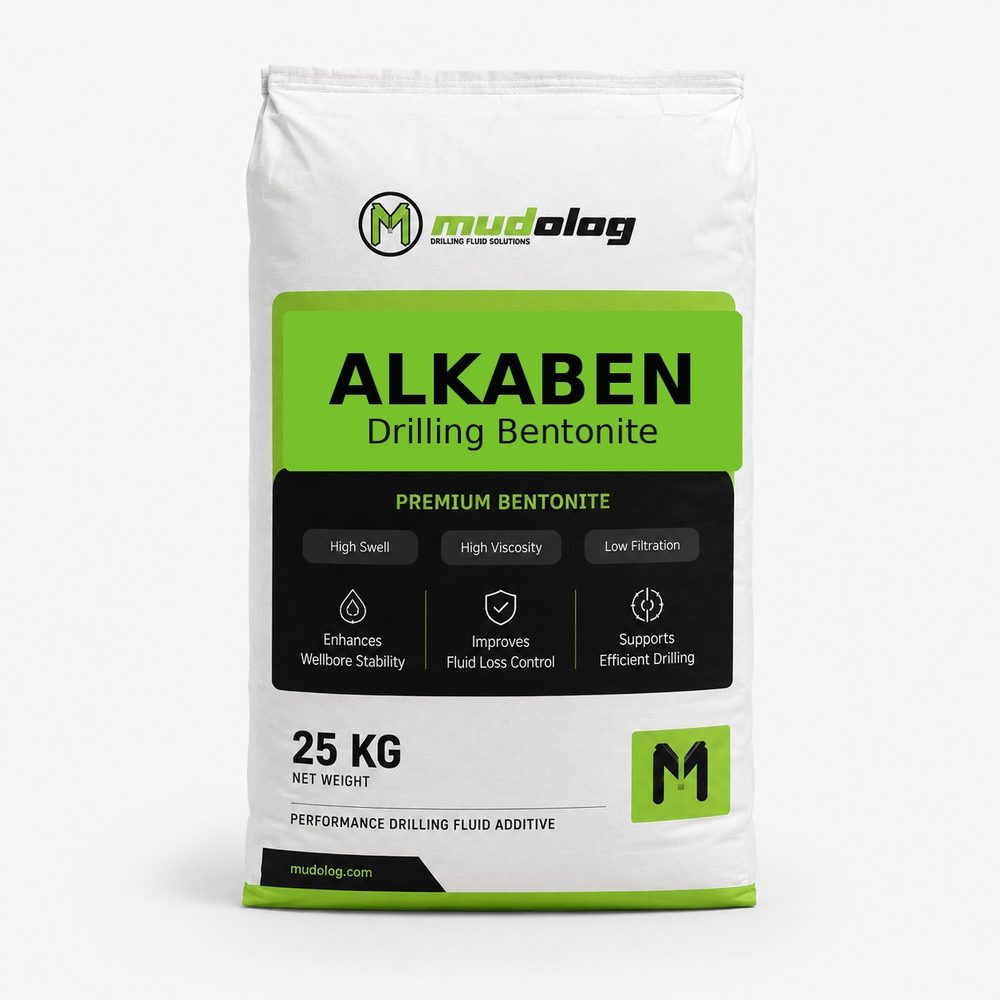 ALKABENDrilling Bentonite
Bentonite-based drilling additive supplied in 25 kg bags.
View product → POLYWELLPowder Drilling Polymer
Powder drilling polymer for viscosity, cuttings transport, clay control and borehole stability.
View product →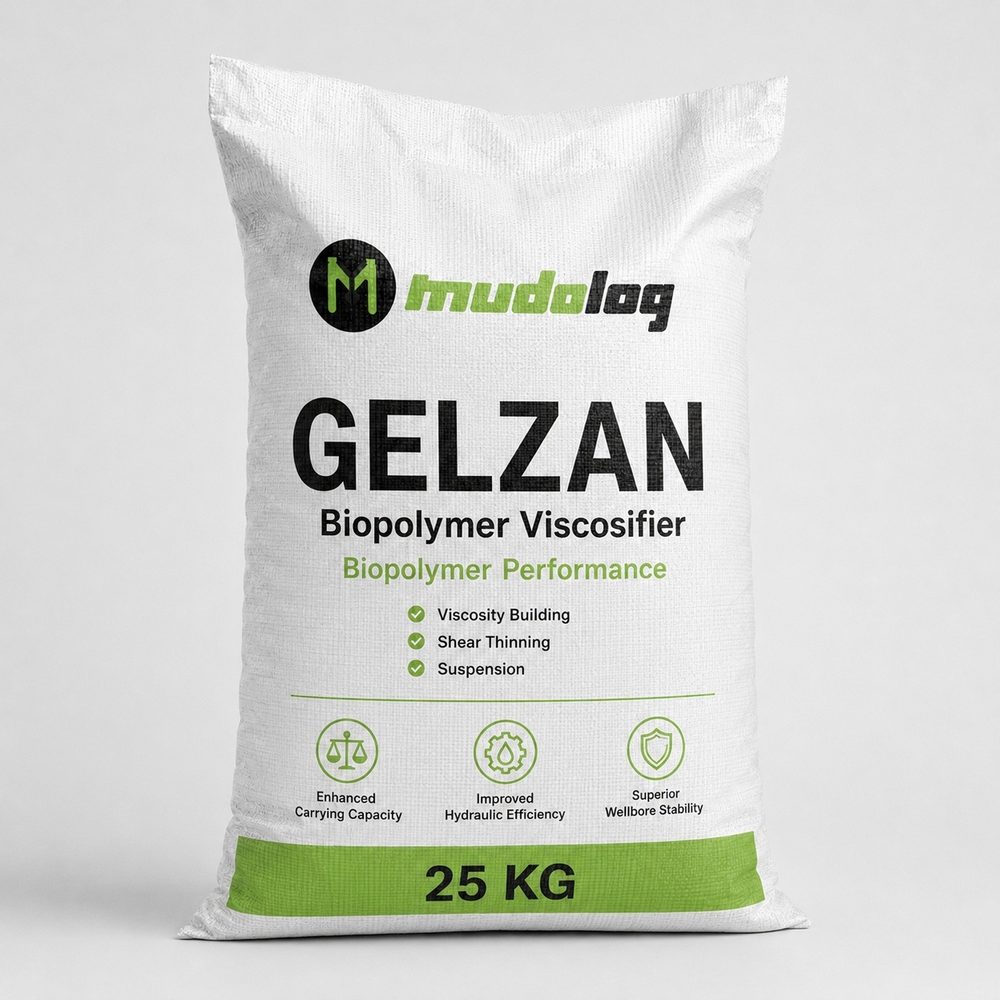 MUDOZANBiopolymer Viscosifier
Biopolymer viscosifier for strong low-shear viscosity, suspension and carrying capacity.
View product →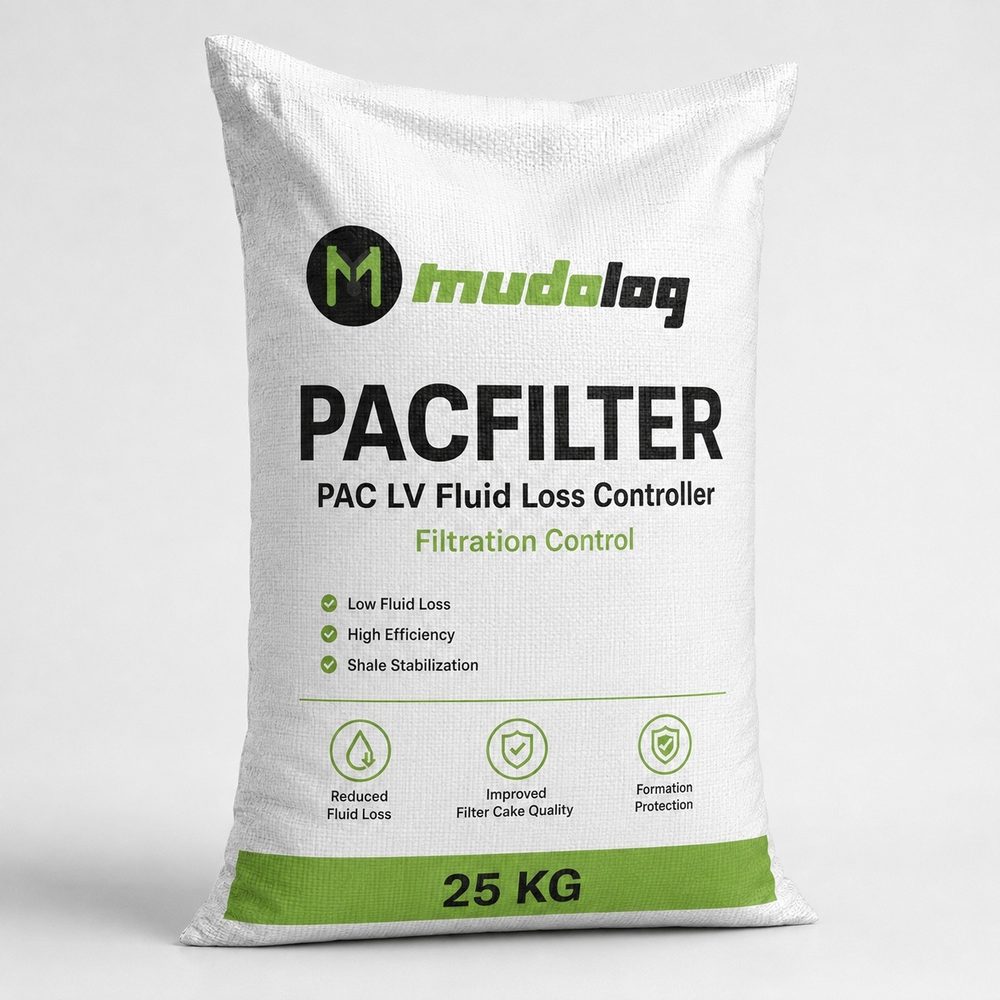 MUDOPAC-LVPAC LV Fluid Loss Controller
PAC LV fluid loss additive for low-viscosity filtration control and stable filter cake formation.
View product →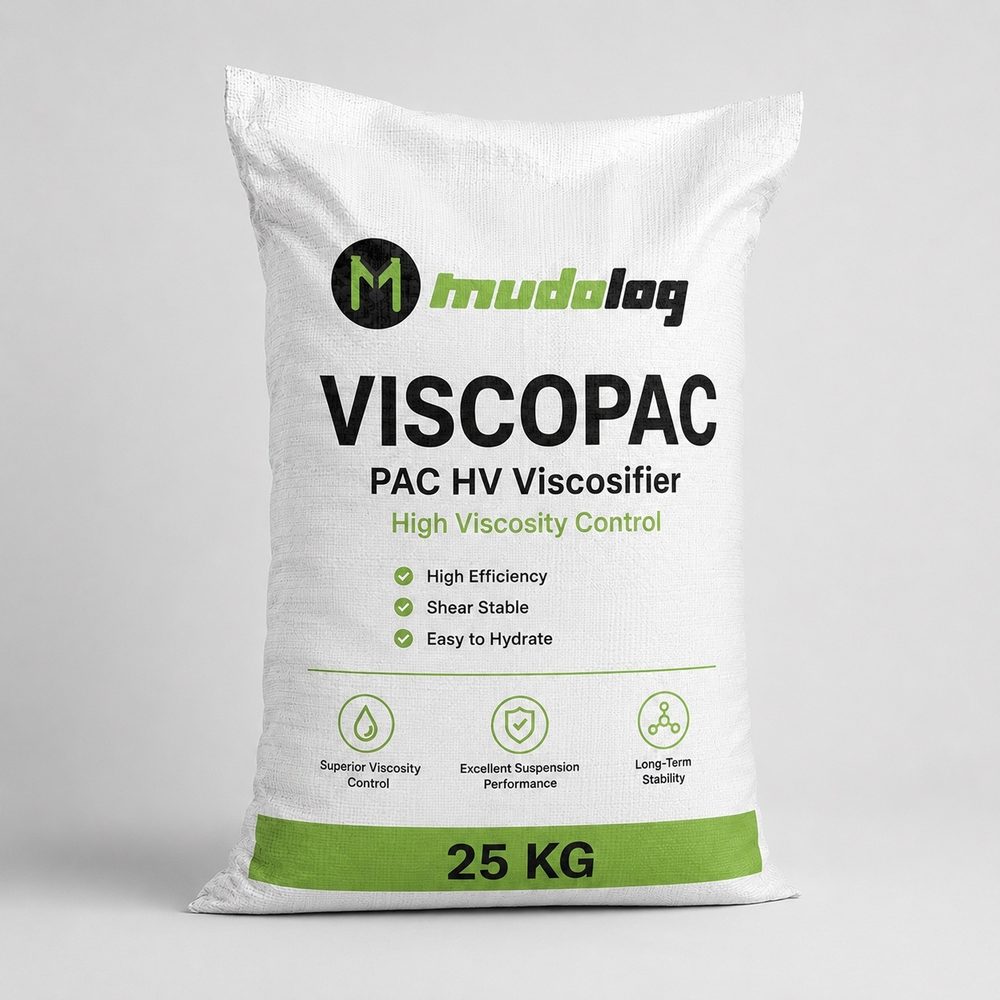 MUDOPAC-HVPAC HV Viscosifier
PAC HV additive for viscosity, carrying capacity and filtration control.
View product →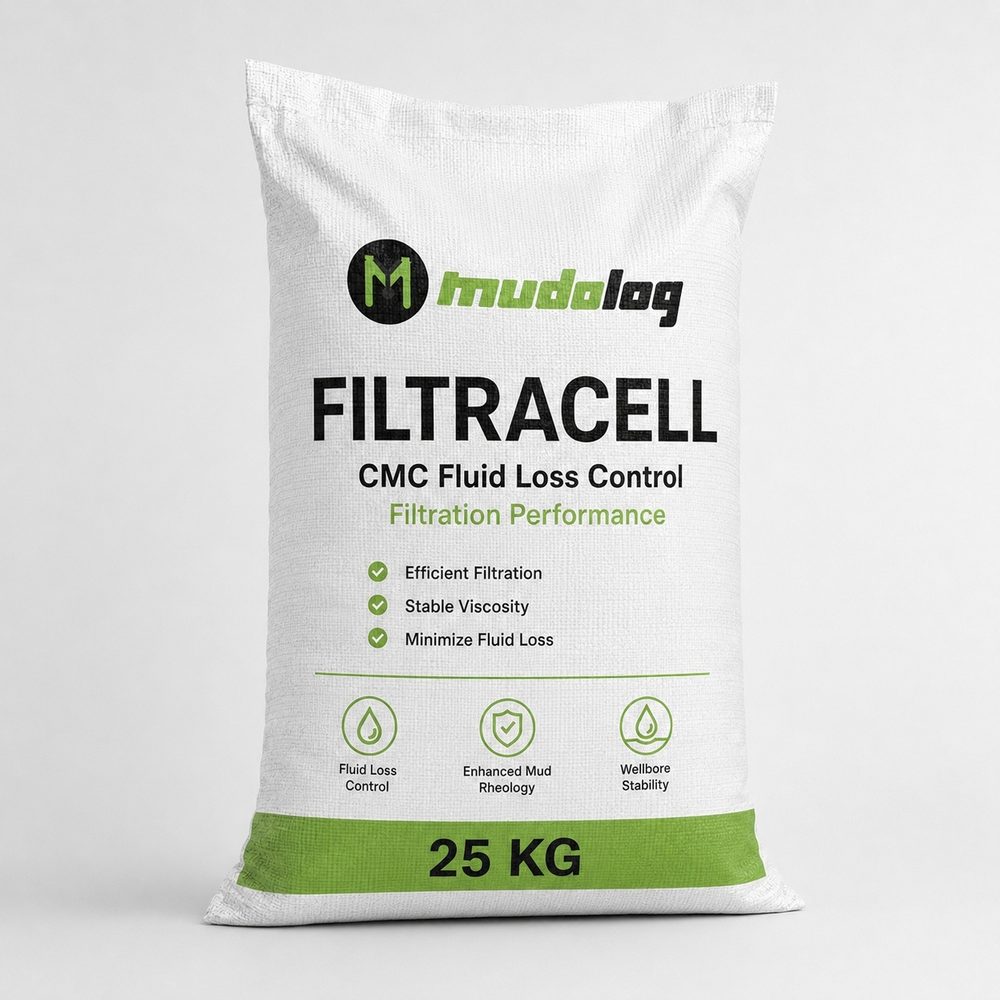 MUDOFIL-CMCCMC Fluid Loss Control
CMC-based economical fluid loss control additive for water-based mud systems.
View product →Mixing can make a good product look bad
Powder polymers can form fisheyes if added too quickly; bentonite can appear weak when mixed into unsuitable water; immediate testing can trigger overtreatment before hydration is complete. Addition rate, mixing energy and hydration time are part of the formulation.
Recycled water must be treated as a changing raw material
Returned fluid can accumulate calcium, salts, fine drilled clay, cement contamination, residual polymers and surfactants. A formulation that worked at the start of the shift can become difficult later because the water/fluid chemistry has changed.
Do not formulate the mud before understanding the water
Avoid one universal pH target or one universal soda-ash dose. Check pH, hardness, calcium where possible and conductivity/salinity where relevant, then select the smallest correction that creates a suitable environment for the actual bentonite and polymers.
What Mudolog needs from you
Send the field variables that change the fluid decision. A short, technically complete HDD RFQ is more useful than a generic request for “mud chemical price”.
- Water source
- pH
- Total hardness
- Calcium if available
- Conductivity / salinity if relevant
- Formation type
- Current products and dosages
- Mixing equipment and order of addition
- Main field problem
Products by field function
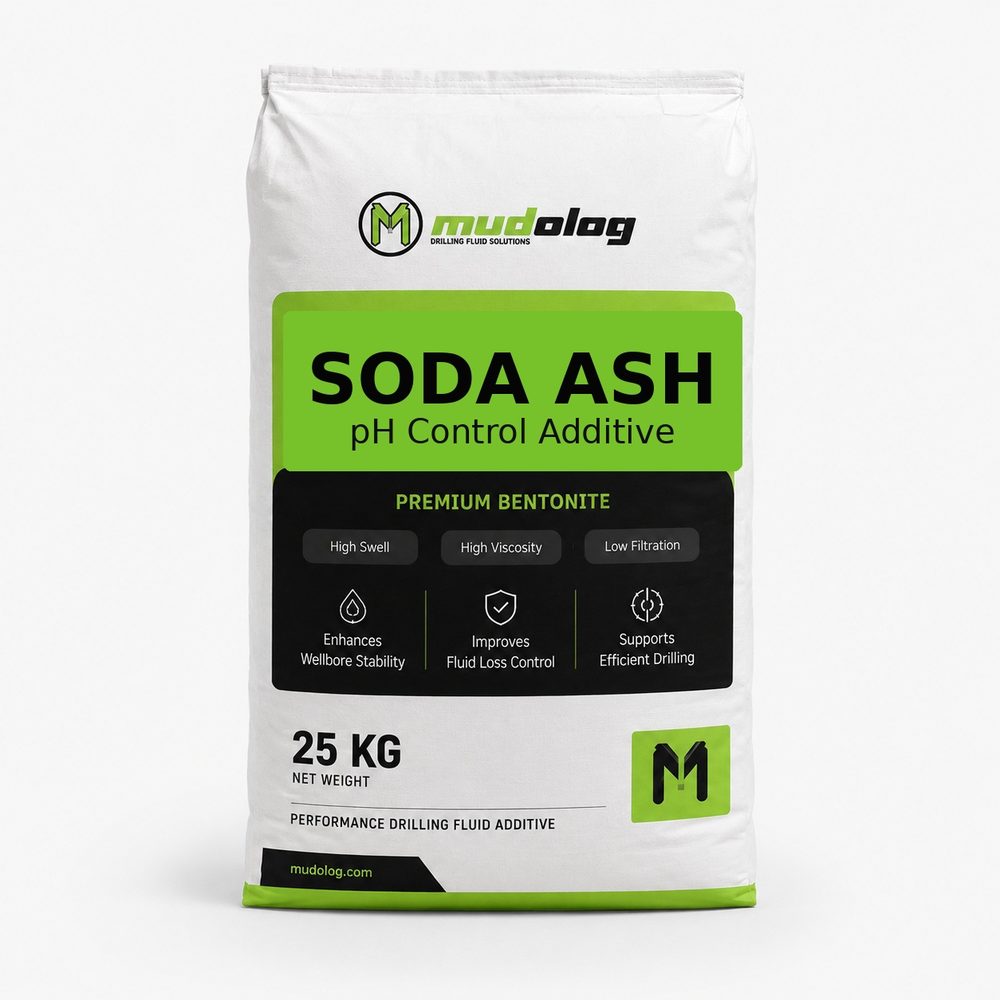 SODA ASHpH Control Additive
Soda ash for pH, alkalinity and make-up water conditioning.
View product →SODIUM BICARBONATECement & Lime Contamination TreatmentSodium bicarbonate for controlled treatment of cement/lime contamination and alkalinity in compatible water-based drilling fluids.
View product →CITRIC ACIDpH & Contamination Control AdditiveCitric acid for controlled pH reduction and selected contamination or cleanup applications in compatible drilling-fluid systems.
View product →ALKABENDrilling BentoniteBentonite-based drilling additive supplied in 25 kg bags.
View product →POLYWELLPowder Drilling PolymerPowder drilling polymer for viscosity, cuttings transport, clay control and borehole stability.
View product →MUDOZANBiopolymer ViscosifierBiopolymer viscosifier for strong low-shear viscosity, suspension and carrying capacity.
View product →MUDOPAC-LVPAC LV Fluid Loss ControllerPAC LV fluid loss additive for low-viscosity filtration control and stable filter cake formation.
View product →MUDOPAC-HVPAC HV ViscosifierPAC HV additive for viscosity, carrying capacity and filtration control.
View product →MUDOFIL-CMCCMC Fluid Loss ControlCMC-based economical fluid loss control additive for water-based mud systems.
View product → MUDOLUBEDrilling Lubricant
Liquid drilling lubricant for water-based mud systems where friction, torque, drag and sticking tendency must be controlled.
View product →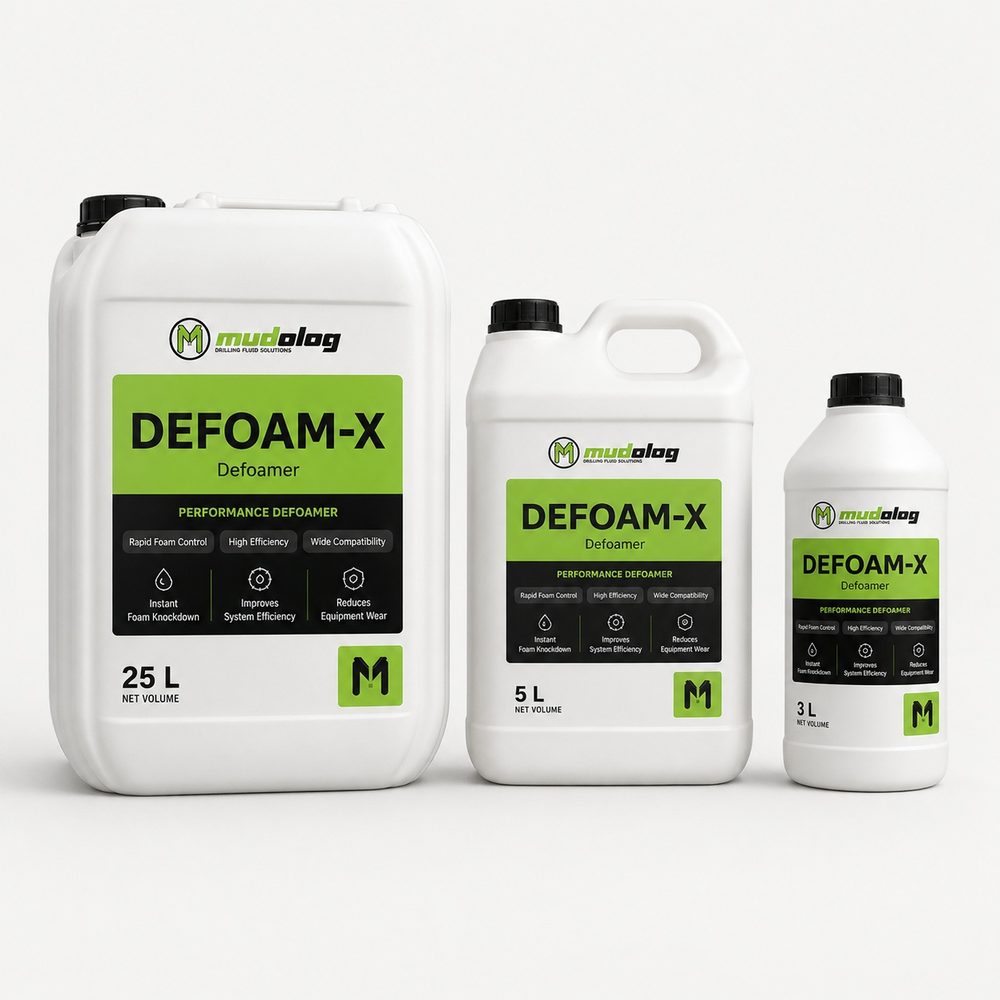 MUDODEFDefoamer
Defoamer for rapid foam knockdown in mud tanks, pumps and circulation systems.
View product →Build the fluid around the actual water, formation and field symptom
Share the bore geometry, make-up water, current mud, returns and the specific clay, cleaning, filtration, friction or loss problem. Mudolog can then route the enquiry to the correct product function.