
HDD Pullback Problems: Fluid, Friction or Bore Condition?
High pullback force can come from mechanical friction, cuttings beds, reactive clay, poor bore geometry, filtration problems or lost circulation. Identify what is resisting the pipe before choosing the chemical response.
Clean bore + good returns + persistent drag makes lubricant more relevant.
Poor returns and rising pull force point toward cleaning and solids accumulation.
Sticky or narrowing clay intervals need inhibition/encapsulation before lubrication.
Inadequate enlargement, thick filtercake or loss of circulation can all raise pullback force.
Pullback problems usually start before pullback
Rising torque, poor returns, pressure changes and packed tooling during drilling/reaming are warning signs that the final bore may already be compromised. Good pullback starts with adequate enlargement, cleaning and conditioning.
Separate friction from hole cleaning
MUDOLUBE reduces friction, but accumulated cuttings must first be mobilized and removed. MUDOZAN can support suspension when carrying capacity is insufficient; flow and cleaning passes remain essential.
Reactive clay can create drag without a lubrication failure
MUDOCLAY-OFF addresses hydration/swelling; POLYWELL/DRILL-WELL address encapsulation and dispersion control. Sticky clay around tooling should route the diagnosis toward clay control before simply increasing lubricant.
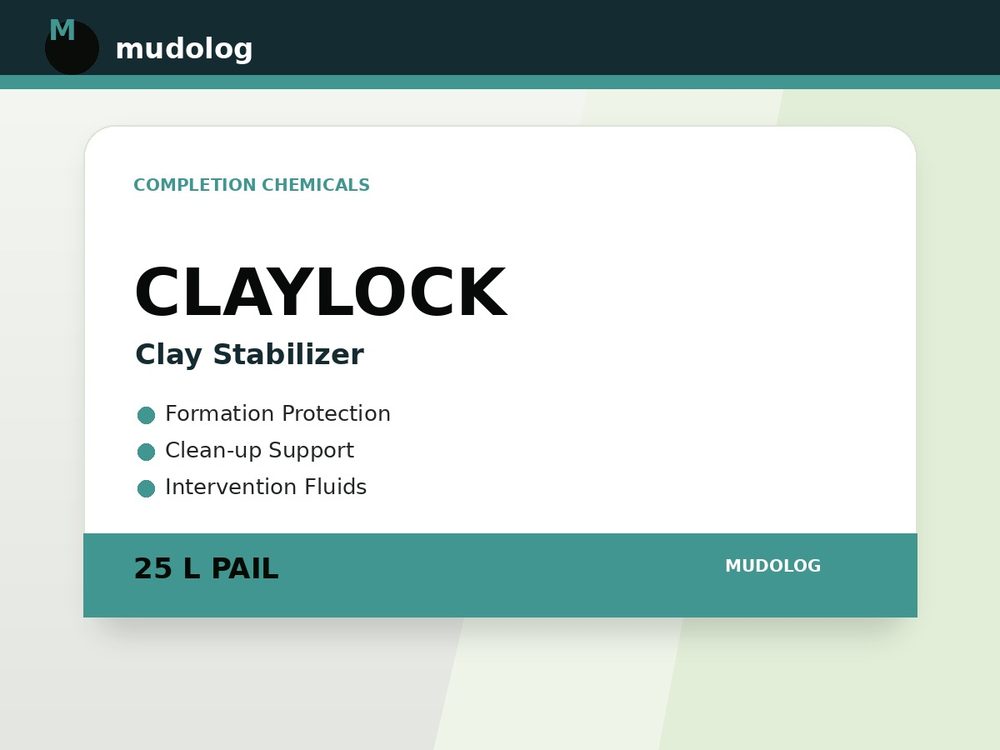 MUDOCLAY-OFFReactive Clay Inhibitor & Stabilizer
Reactive clay inhibitor and stabilizer for water-sensitive clay and shale in compatible drilling and completion fluids.
View product → POLYWELLPowder Drilling Polymer
Powder drilling polymer for viscosity, cuttings transport, clay control and borehole stability.
View product →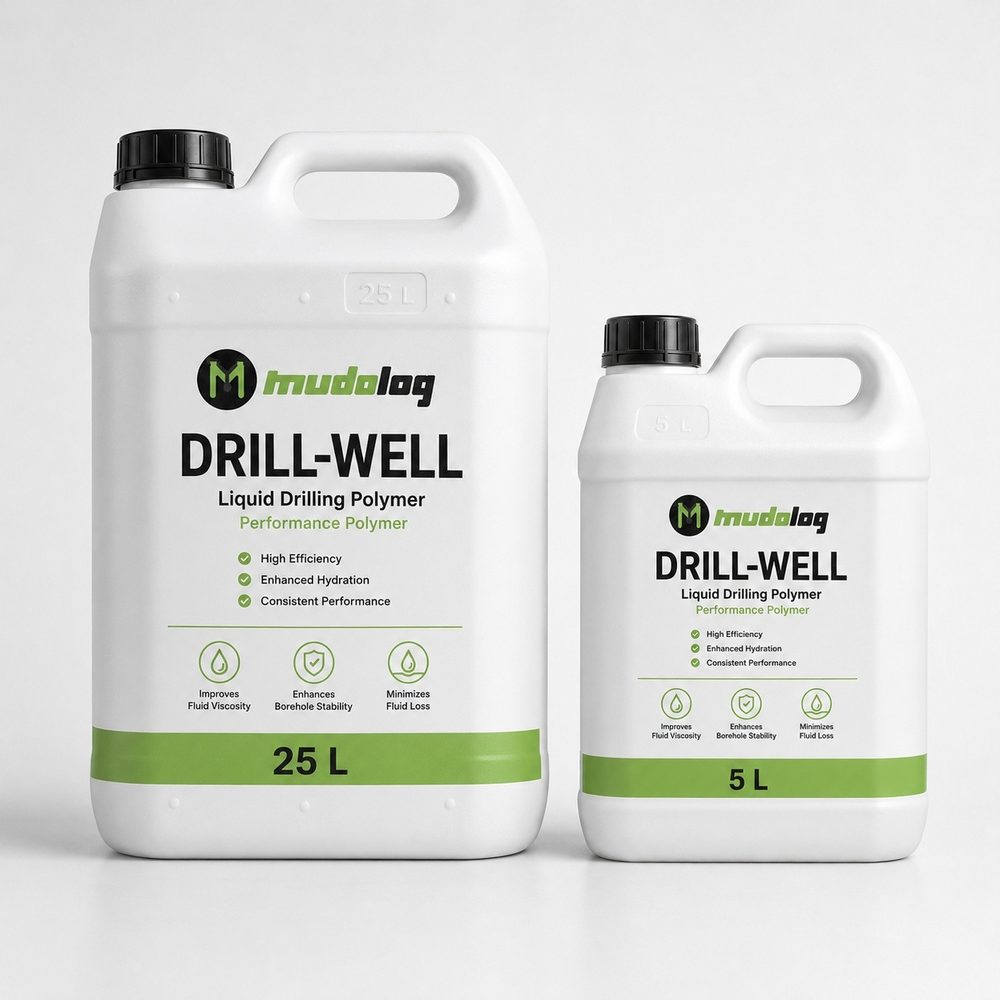 DRILL-WELLLiquid Drilling Polymer
Fast-mixing liquid polymer for practical field dosing in HDD, water well and core drilling.
View product →Filtercake and loss of returns affect pullback too
MUDOPAC-LV/HV or MUDOFIL-CMC can refine filtration where permeable formations create excessive wall cake. If whole mud is disappearing, SEALFIBER/FRACPLUG may be needed to restore circulation before cleaning and lubrication can work normally.
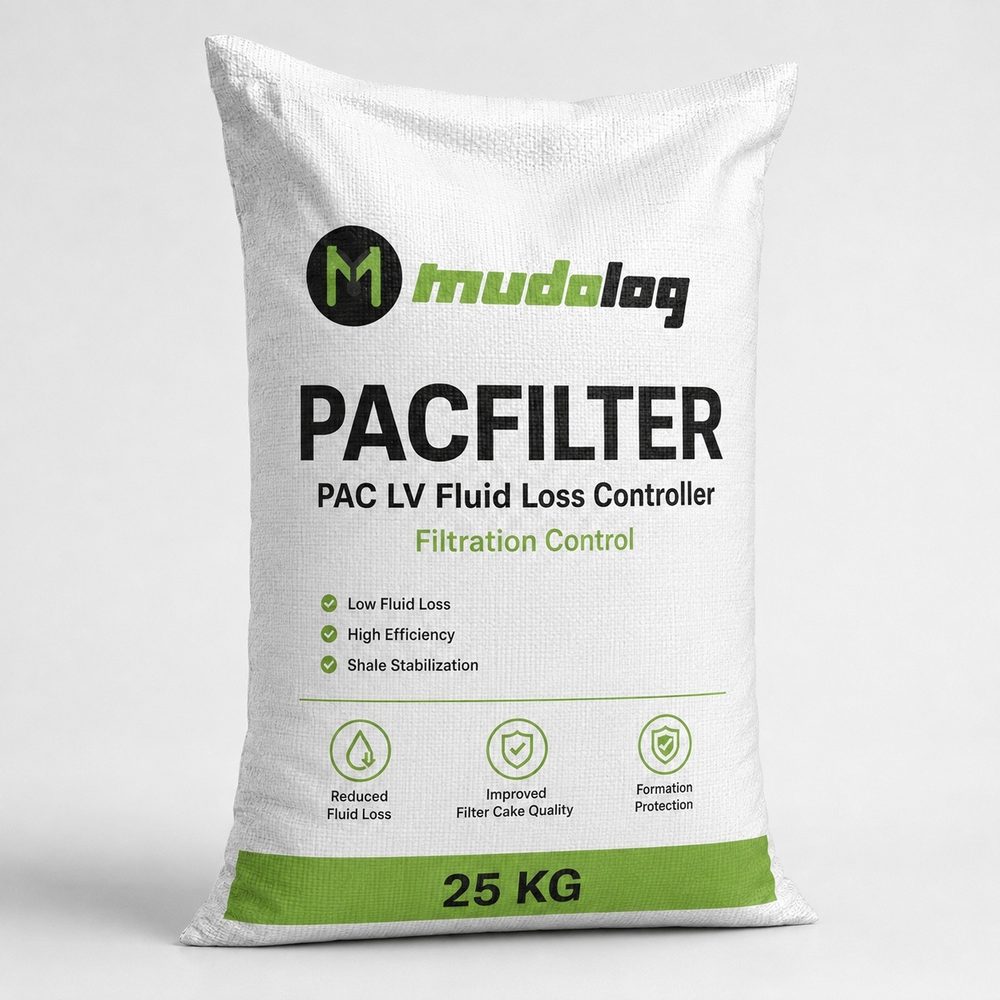 MUDOPAC-LVPAC LV Fluid Loss Controller
PAC LV fluid loss additive for low-viscosity filtration control and stable filter cake formation.
View product →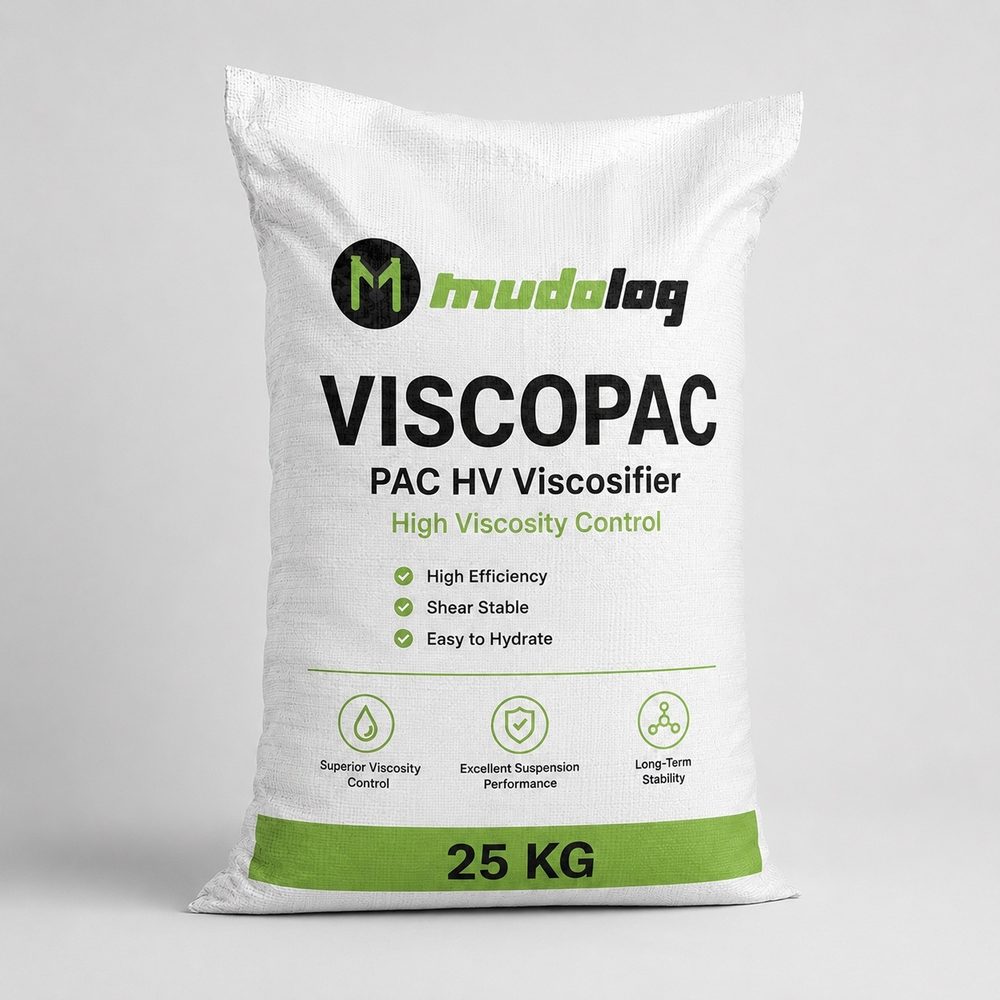 MUDOPAC-HVPAC HV Viscosifier
PAC HV additive for viscosity, carrying capacity and filtration control.
View product →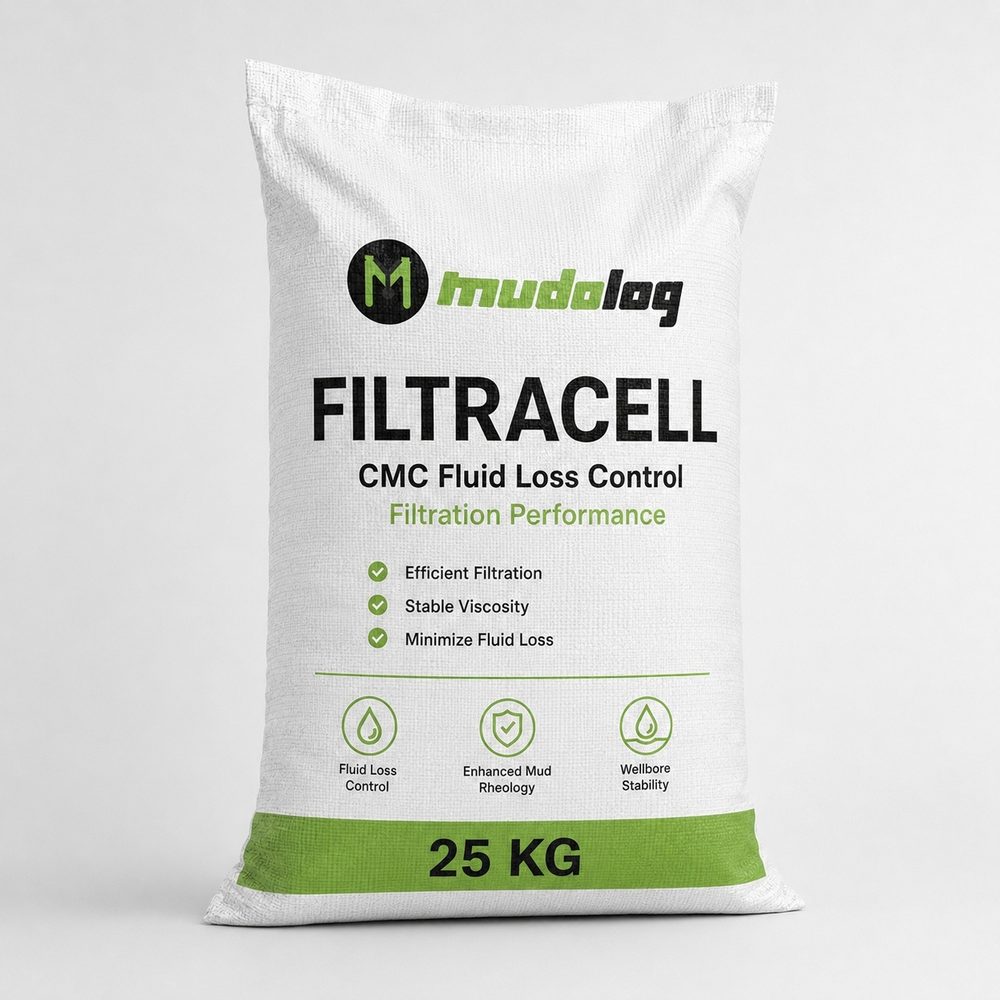 MUDOFIL-CMCCMC Fluid Loss Control
CMC-based economical fluid loss control additive for water-based mud systems.
View product →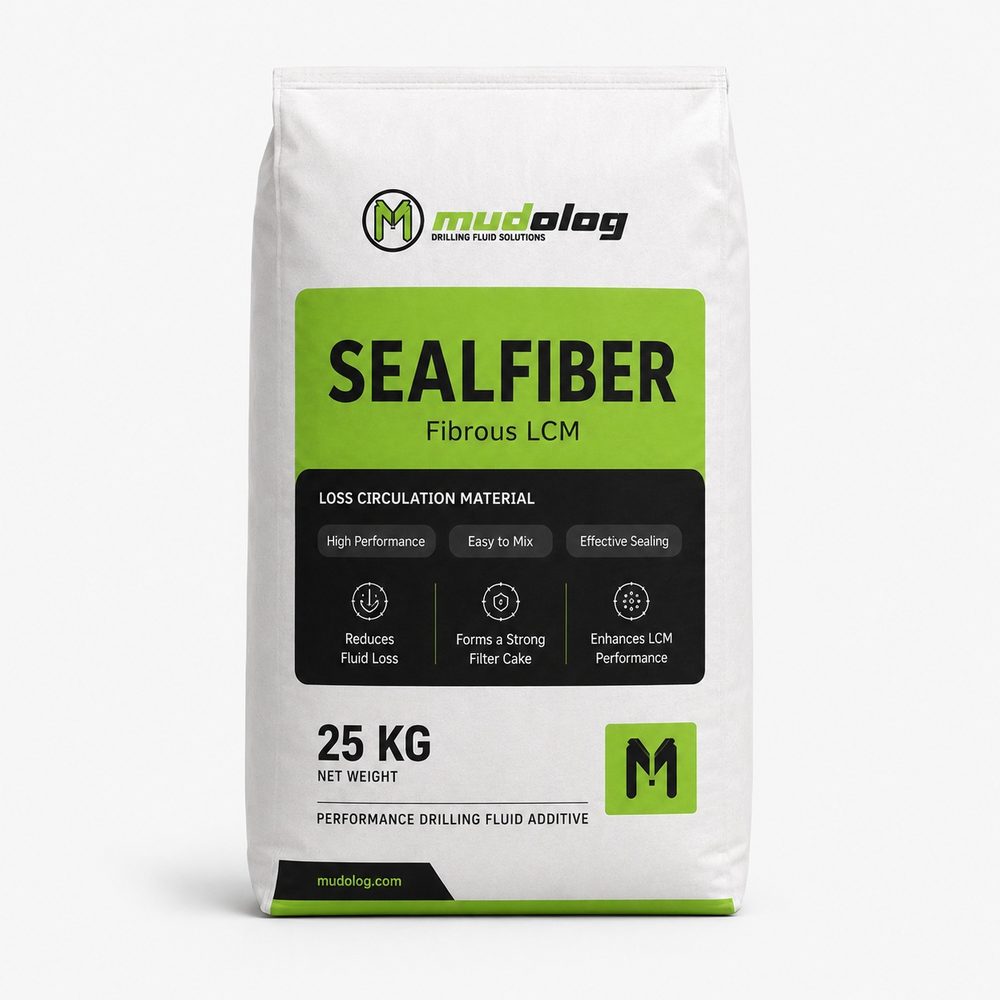 SEALFIBERFibrous LCM
Fibrous lost circulation material for bridging and sealing permeable zones.
View product → FRACPLUGSwelling LCM
Swelling lost circulation material for fractures, voids and highly permeable formations.
View product →Product-pipe and geometry still matter
Pipe material, diameter, bend radius, buoyancy and actual enlarged-hole size influence mechanical load. Fluid chemistry supports the operation; it cannot compensate for inadequate bore geometry.
Do not try to lubricate your way out of a hole-cleaning problem
A small torque reduction after adding lubricant does not prove that the bore is clean. Use returns, cuttings, pressure and formation changes to identify the dominant mechanism.
What Mudolog needs from you
Send the field variables that change the fluid decision. A short, technically complete HDD RFQ is more useful than a generic request for “mud chemical price”.
- Bore length
- Pilot and final reamer diameter
- Product-pipe diameter/material
- Formation profile
- Current mud
- Returns status
- Torque/pullback trend
- Known loss intervals
- Reactive-clay observations
- Last cleaning pass condition
Products by field function
 MUDOLUBEDrilling Lubricant
Liquid drilling lubricant for water-based mud systems where friction, torque, drag and sticking tendency must be controlled.
View product →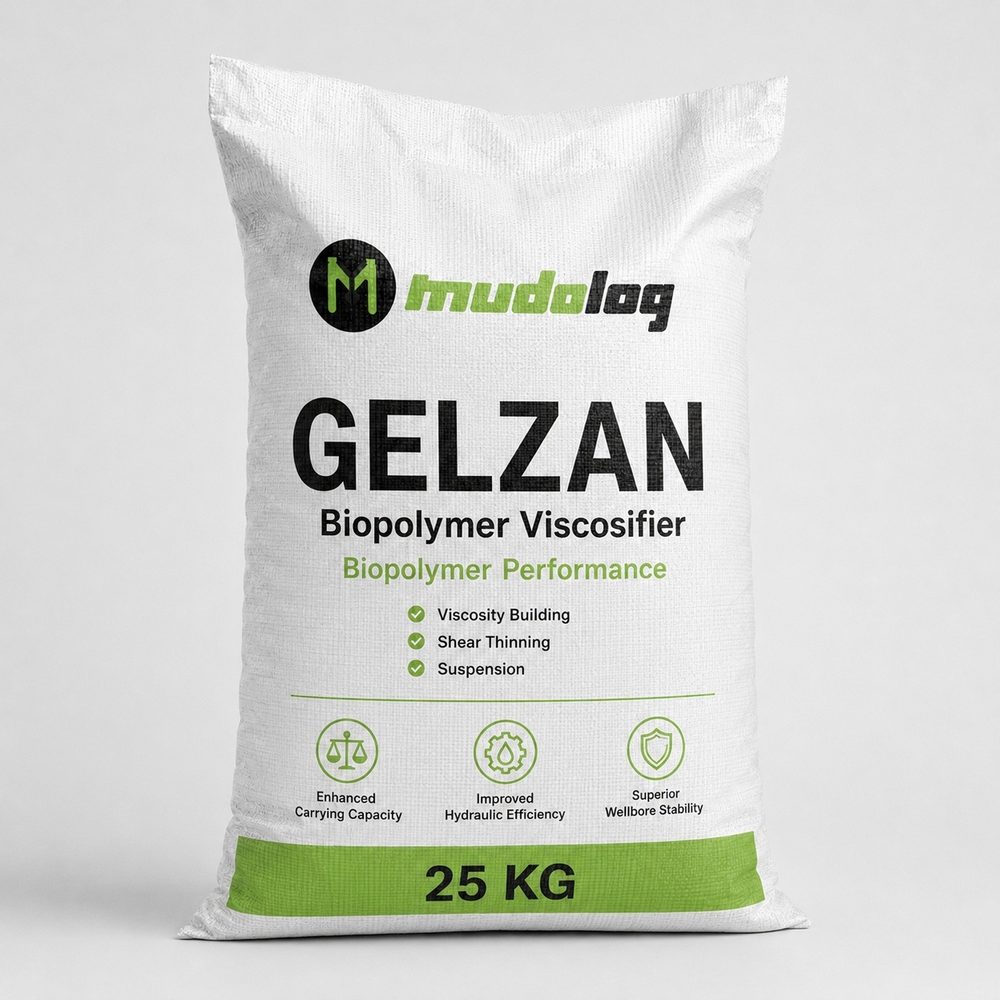 MUDOZANBiopolymer Viscosifier
Biopolymer viscosifier for strong low-shear viscosity, suspension and carrying capacity.
View product →MUDOCLAY-OFFReactive Clay Inhibitor & StabilizerReactive clay inhibitor and stabilizer for water-sensitive clay and shale in compatible drilling and completion fluids.
View product →POLYWELLPowder Drilling PolymerPowder drilling polymer for viscosity, cuttings transport, clay control and borehole stability.
View product →DRILL-WELLLiquid Drilling PolymerFast-mixing liquid polymer for practical field dosing in HDD, water well and core drilling.
View product →MUDOPAC-LVPAC LV Fluid Loss ControllerPAC LV fluid loss additive for low-viscosity filtration control and stable filter cake formation.
View product →MUDOPAC-HVPAC HV ViscosifierPAC HV additive for viscosity, carrying capacity and filtration control.
View product →MUDOFIL-CMCCMC Fluid Loss ControlCMC-based economical fluid loss control additive for water-based mud systems.
View product →SEALFIBERFibrous LCMFibrous lost circulation material for bridging and sealing permeable zones.
View product →FRACPLUGSwelling LCMSwelling lost circulation material for fractures, voids and highly permeable formations.
View product →Build the fluid around the actual water, formation and field symptom
Share the bore geometry, make-up water, current mud, returns and the specific clay, cleaning, filtration, friction or loss problem. Mudolog can then route the enquiry to the correct product function.