
HDD Drilling Fluid Problems During Reaming: Why Pilot-Hole Mud Often Fails
Reaming changes the bore diameter, cuttings-generation rate, solids loading, hydraulic demand, friction and loss exposure. The pilot-hole formulation is not automatically the final reaming fluid.
Larger hole diameter can generate much more formation volume per meter.
Density and viscosity can drift because the active system retains drilled material.
Larger tooling changes contact forces and drag.
Reaming can open gravel pathways, fractures and weak zones that were not severe in the pilot hole.
Reaming rate must stay below cleaning capacity
If the reamer advances faster than the fluid can remove solids, the bore loads with cuttings. MUDOZAN can support suspension, but no product removes the need for adequate flow and cleaning-focused passes.
Reactive clay can become worse under reaming
Fresh clay surface and stronger mechanical action can increase stickiness and dispersion. POLYWELL/DRILL-WELL support cuttings integrity; MUDOCLAY-OFF supports inhibition where hydration/swelling is part of the problem.
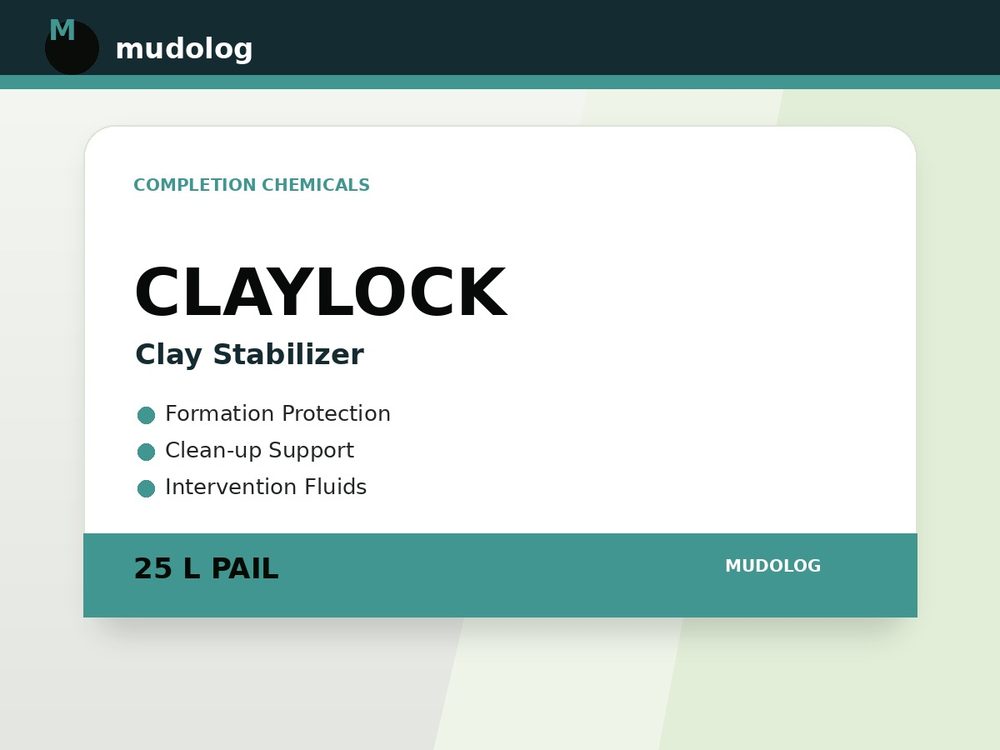 MUDOCLAY-OFFReactive Clay Inhibitor & Stabilizer
Reactive clay inhibitor and stabilizer for water-sensitive clay and shale in compatible drilling and completion fluids.
View product → POLYWELLPowder Drilling Polymer
Powder drilling polymer for viscosity, cuttings transport, clay control and borehole stability.
View product →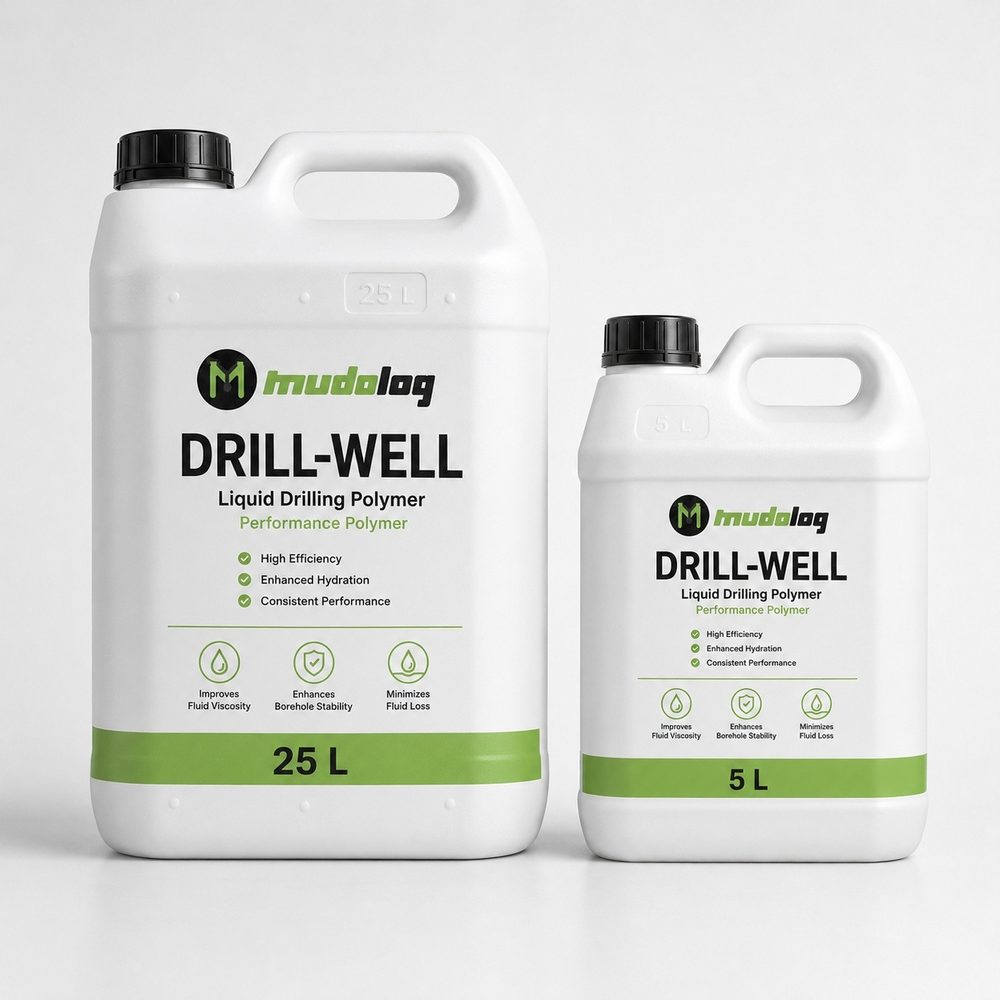 DRILL-WELLLiquid Drilling Polymer
Fast-mixing liquid polymer for practical field dosing in HDD, water well and core drilling.
View product →Torque during reaming needs diagnosis
MUDOLUBE fits mechanical friction after hole cleaning is acceptable. High torque with deteriorating returns points more strongly toward solids accumulation or restricted circulation.
Reaming can change filtration into whole-mud loss
MUDOPAC-LV/HV and MUDOFIL-CMC remain filtration-control tools. When return volume falls sharply because the reamer exposes a fracture or coarse pathway, move toward SEALFIBER / FRACPLUG loss control.
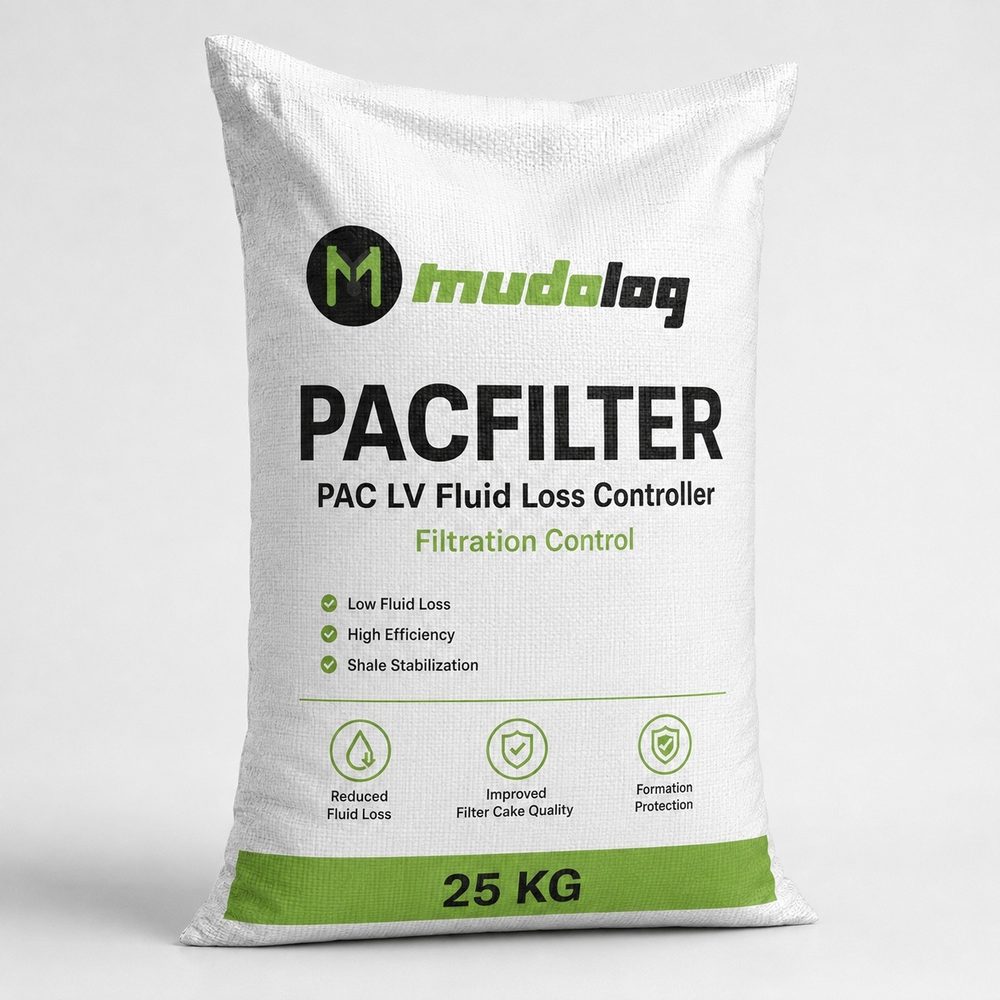 MUDOPAC-LVPAC LV Fluid Loss Controller
PAC LV fluid loss additive for low-viscosity filtration control and stable filter cake formation.
View product →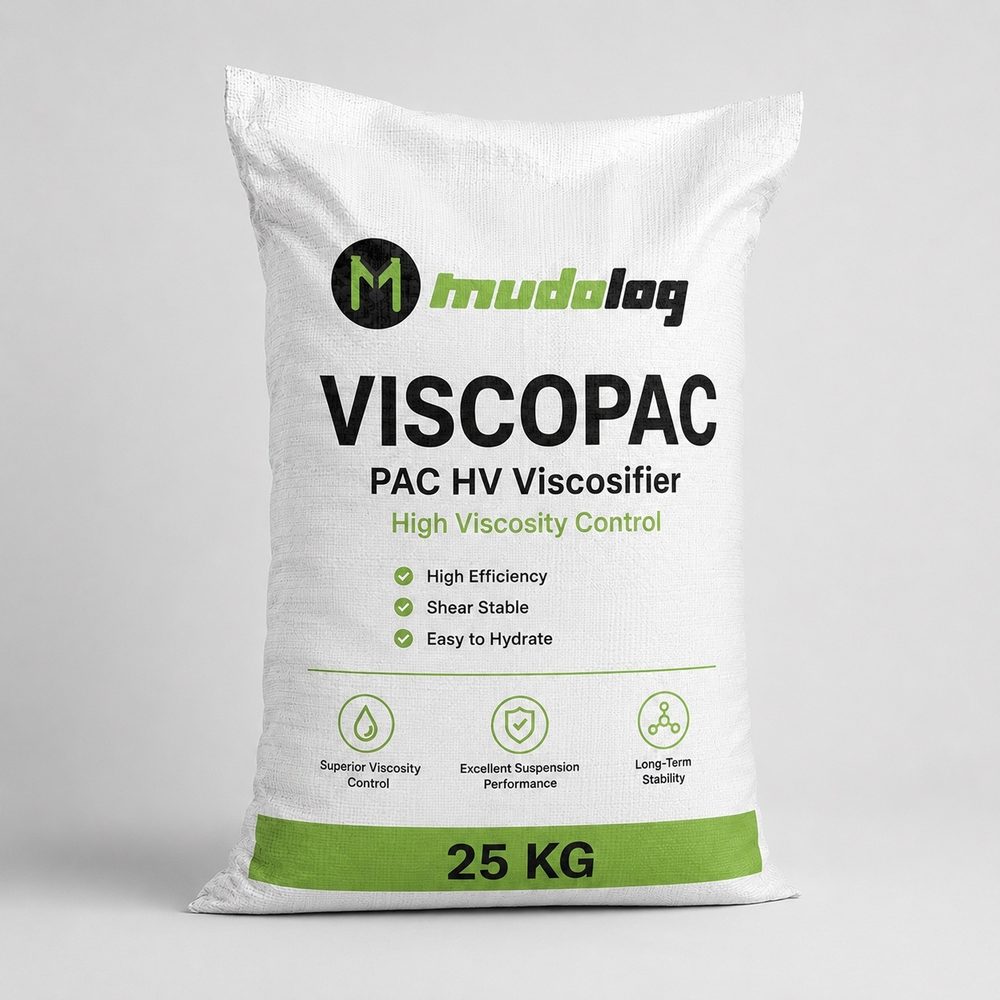 MUDOPAC-HVPAC HV Viscosifier
PAC HV additive for viscosity, carrying capacity and filtration control.
View product →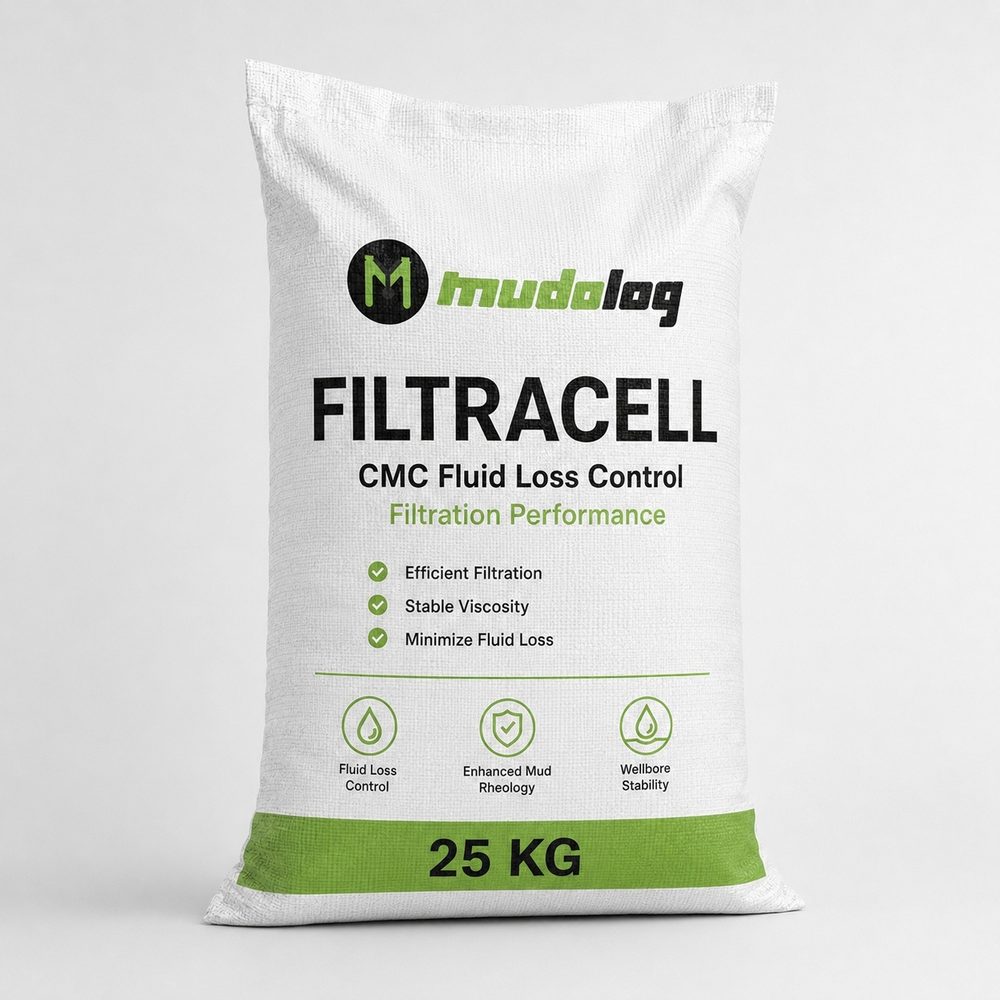 MUDOFIL-CMCCMC Fluid Loss Control
CMC-based economical fluid loss control additive for water-based mud systems.
View product →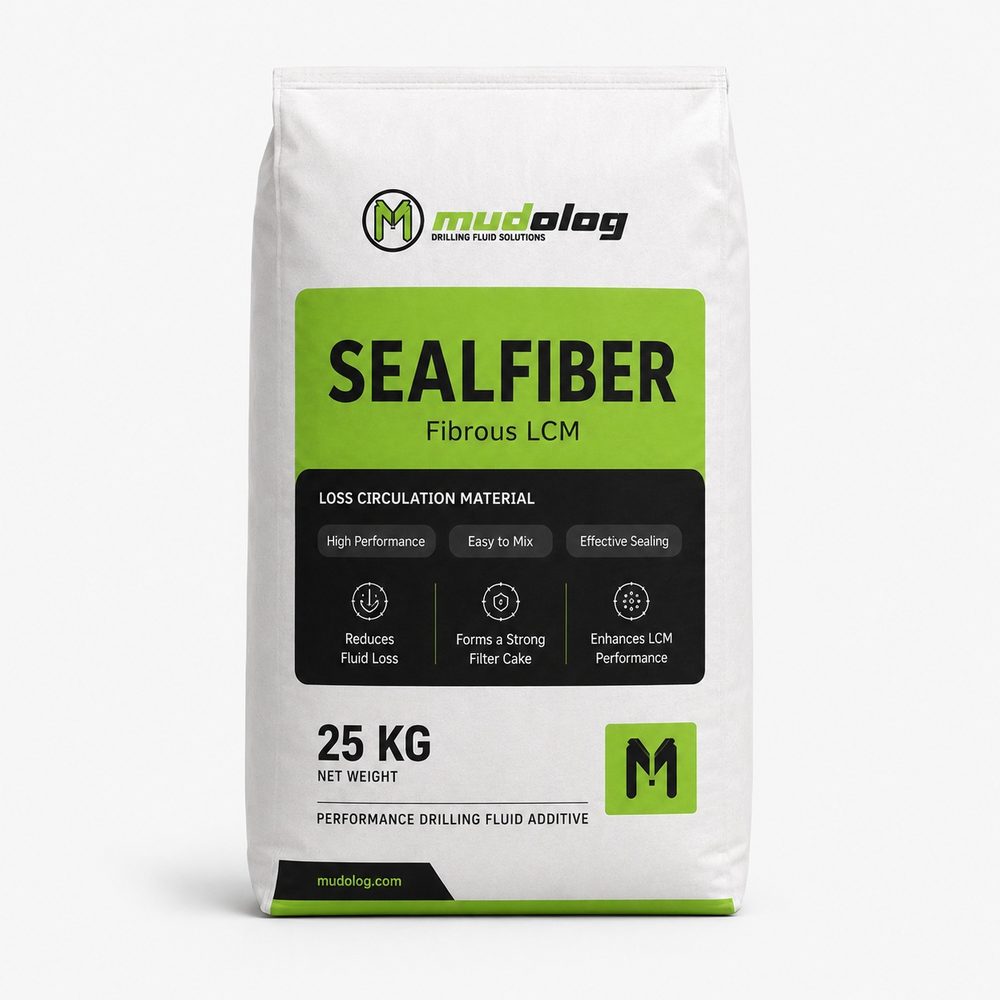 SEALFIBERFibrous LCM
Fibrous lost circulation material for bridging and sealing permeable zones.
View product → FRACPLUGSwelling LCM
Swelling lost circulation material for fractures, voids and highly permeable formations.
View product →Track density, viscosity and returns through each pass
A rising mud weight and viscosity can indicate that the active fluid is storing more drilled solids. Compare each reamer pass rather than assuming the original formulation remains unchanged.
Do not use the same dosage automatically through every reamer size
Pilot, intermediate reaming, final enlargement and pullback can have different dominant requirements. Adjust the relative importance of clay control, rheology, filtration, loss control and lubrication by stage.
What Mudolog needs from you
Send the field variables that change the fluid decision. A short, technically complete HDD RFQ is more useful than a generic request for “mud chemical price”.
- Pilot-hole diameter
- Current reamer diameter
- Planned final diameter
- Bore length
- Formation
- Pump capacity/flow if known
- Current fluid
- Viscosity and mud weight if available
- Returns condition
- Torque trend
- Loss rate if present
Products by field function
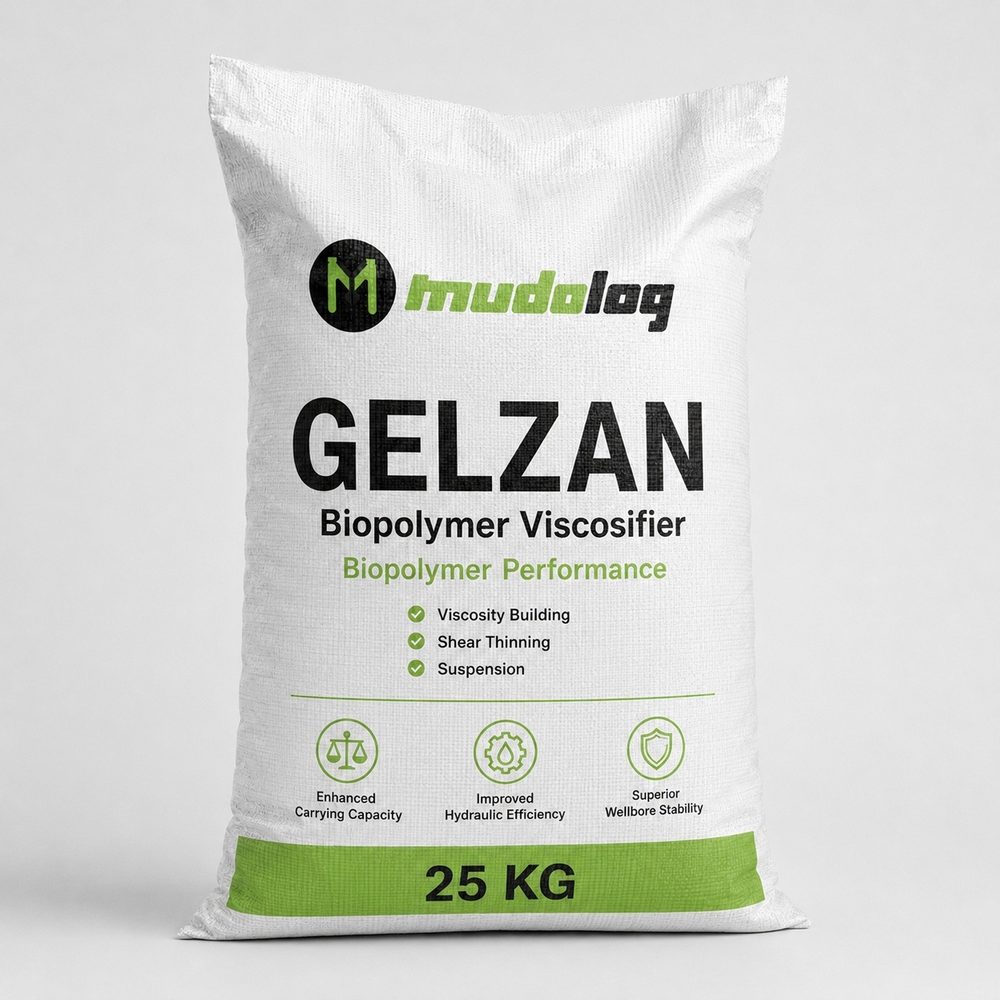 MUDOZANBiopolymer Viscosifier
Biopolymer viscosifier for strong low-shear viscosity, suspension and carrying capacity.
View product →POLYWELLPowder Drilling PolymerPowder drilling polymer for viscosity, cuttings transport, clay control and borehole stability.
View product →DRILL-WELLLiquid Drilling PolymerFast-mixing liquid polymer for practical field dosing in HDD, water well and core drilling.
View product →MUDOCLAY-OFFReactive Clay Inhibitor & StabilizerReactive clay inhibitor and stabilizer for water-sensitive clay and shale in compatible drilling and completion fluids.
View product → MUDOLUBEDrilling Lubricant
Liquid drilling lubricant for water-based mud systems where friction, torque, drag and sticking tendency must be controlled.
View product →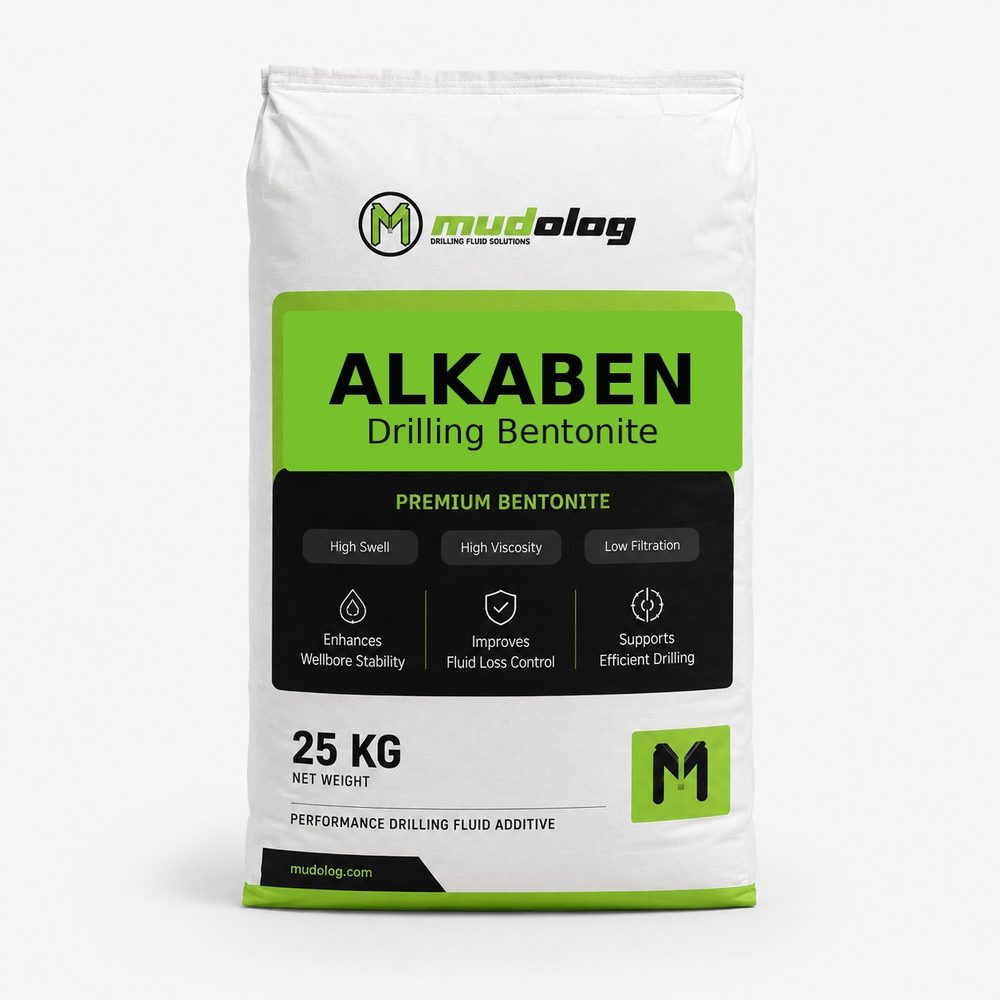 ALKABENDrilling Bentonite
Bentonite-based drilling additive supplied in 25 kg bags.
View product →MUDOPAC-LVPAC LV Fluid Loss ControllerPAC LV fluid loss additive for low-viscosity filtration control and stable filter cake formation.
View product →MUDOPAC-HVPAC HV ViscosifierPAC HV additive for viscosity, carrying capacity and filtration control.
View product →MUDOFIL-CMCCMC Fluid Loss ControlCMC-based economical fluid loss control additive for water-based mud systems.
View product →SEALFIBERFibrous LCMFibrous lost circulation material for bridging and sealing permeable zones.
View product →FRACPLUGSwelling LCMSwelling lost circulation material for fractures, voids and highly permeable formations.
View product →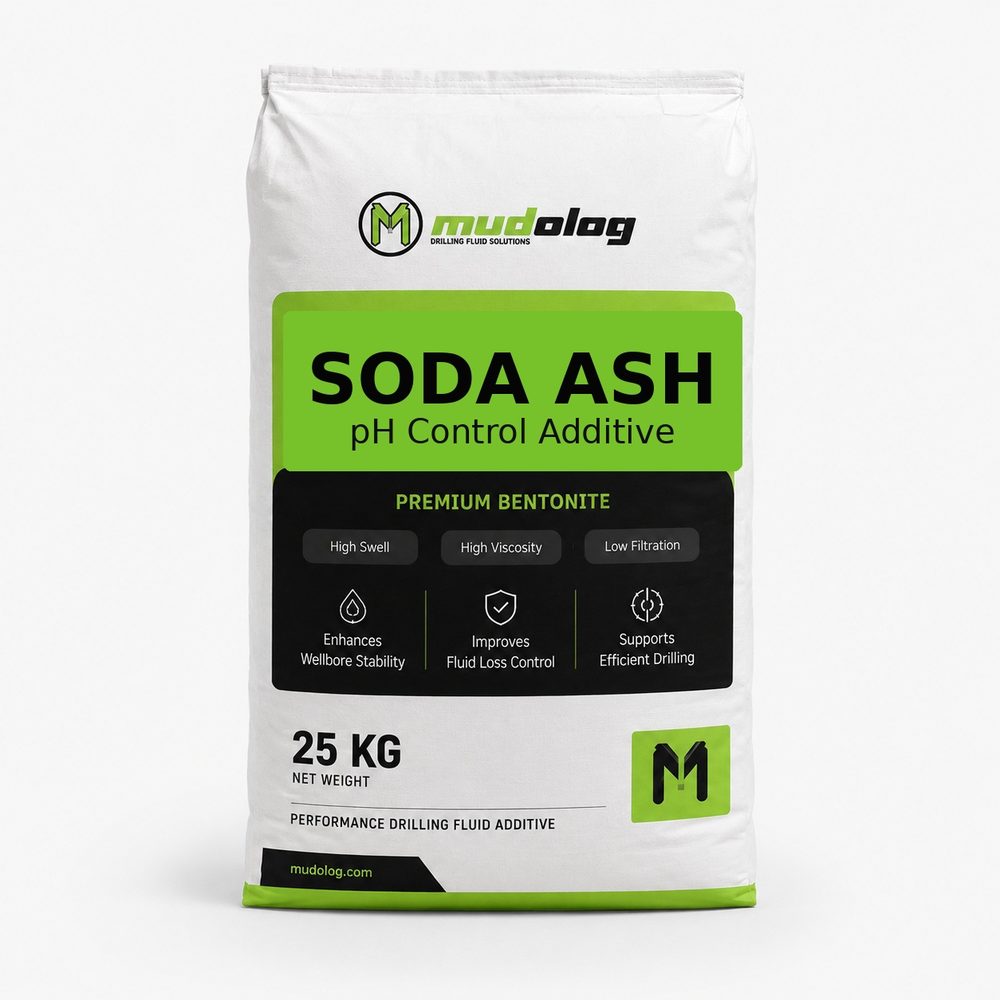 SODA ASHpH Control Additive
Soda ash for pH, alkalinity and make-up water conditioning.
View product →Build the fluid around the actual water, formation and field symptom
Share the bore geometry, make-up water, current mud, returns and the specific clay, cleaning, filtration, friction or loss problem. Mudolog can then route the enquiry to the correct product function.