
HDD Mud Recycling Problems: Why the Fluid Gets Worse During the Day
Recycled fluid evolves every cycle. Fine clay, sand, calcium, salinity, cement contamination, surfactants and entrained air can accumulate until the fluid no longer behaves like the original mix.
Shakers can remove coarse solids while colloidal clay remains in the active fluid.
Formation water, calcium and salinity can change polymer and bentonite response over time.
High shear, turbulence and contamination can create persistent unwanted foam.
Sometimes the correct treatment is fresh conditioned fluid, not another chemical dose.
Fine solids can make the recycler look ineffective
Mud weight and viscosity may rise even while the shaker is removing visible cuttings. POLYWELL/DRILL-WELL support encapsulation; MUDOCLAY-OFF can reduce hydration/swelling where the formation itself is reactive.
 POLYWELLPowder Drilling Polymer
Powder drilling polymer for viscosity, cuttings transport, clay control and borehole stability.
View product →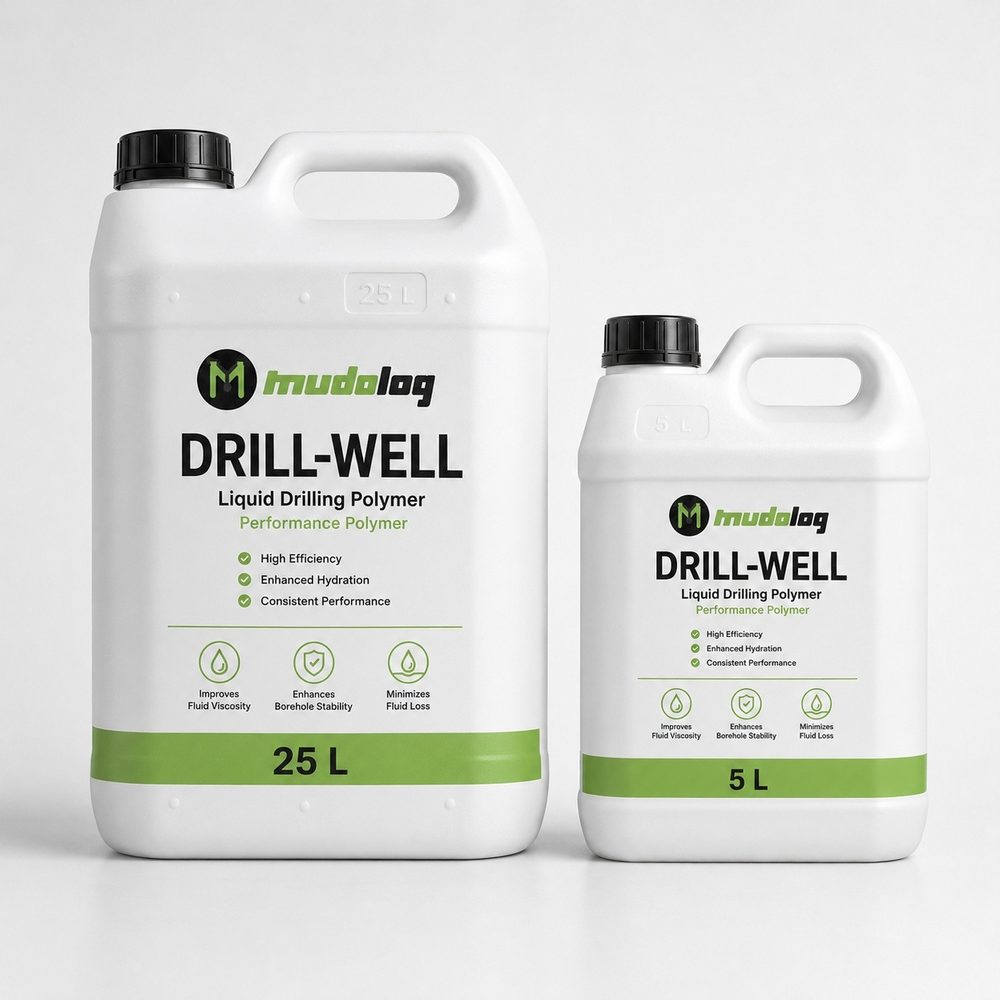 DRILL-WELLLiquid Drilling Polymer
Fast-mixing liquid polymer for practical field dosing in HDD, water well and core drilling.
View product → MUDOCLAY-OFFReactive Clay Inhibitor & Stabilizer
Reactive clay inhibitor and stabilizer for water-sensitive clay and shale in compatible drilling and completion fluids.
View product →The water chemistry no longer matches startup conditions
Recycled fluid can accumulate calcium, magnesium, salts and formation-water contamination. SODA ASH should only be added after measurement confirms the relevant water-conditioning problem; SODIUM BICARBONATE is more specific to cement/lime contamination.
Foam can increase through the day
Return turbulence, surfactant contamination and entrained air can interfere with tanks and solids control. MUDODEF is the dedicated Mudolog defoamer function where chemical foam control is actually needed.
Filtration and rheology need to be judged on the current fluid
MUDOPAC-LV/HV, MUDOFIL-CMC and MUDOZAN should be selected from current recycled-fluid behavior, not automatically from the startup recipe. A solids-heavy mud can look viscous without being operationally healthy.
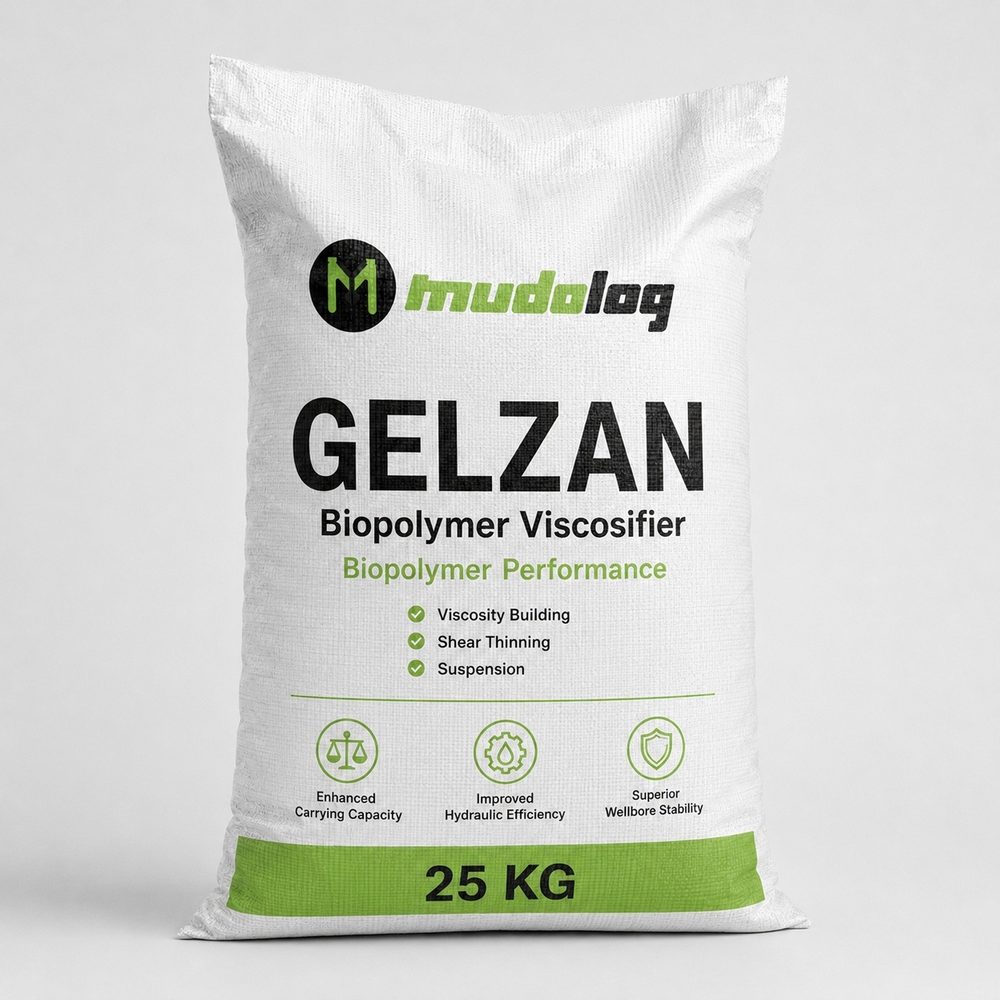 MUDOZANBiopolymer Viscosifier
Biopolymer viscosifier for strong low-shear viscosity, suspension and carrying capacity.
View product →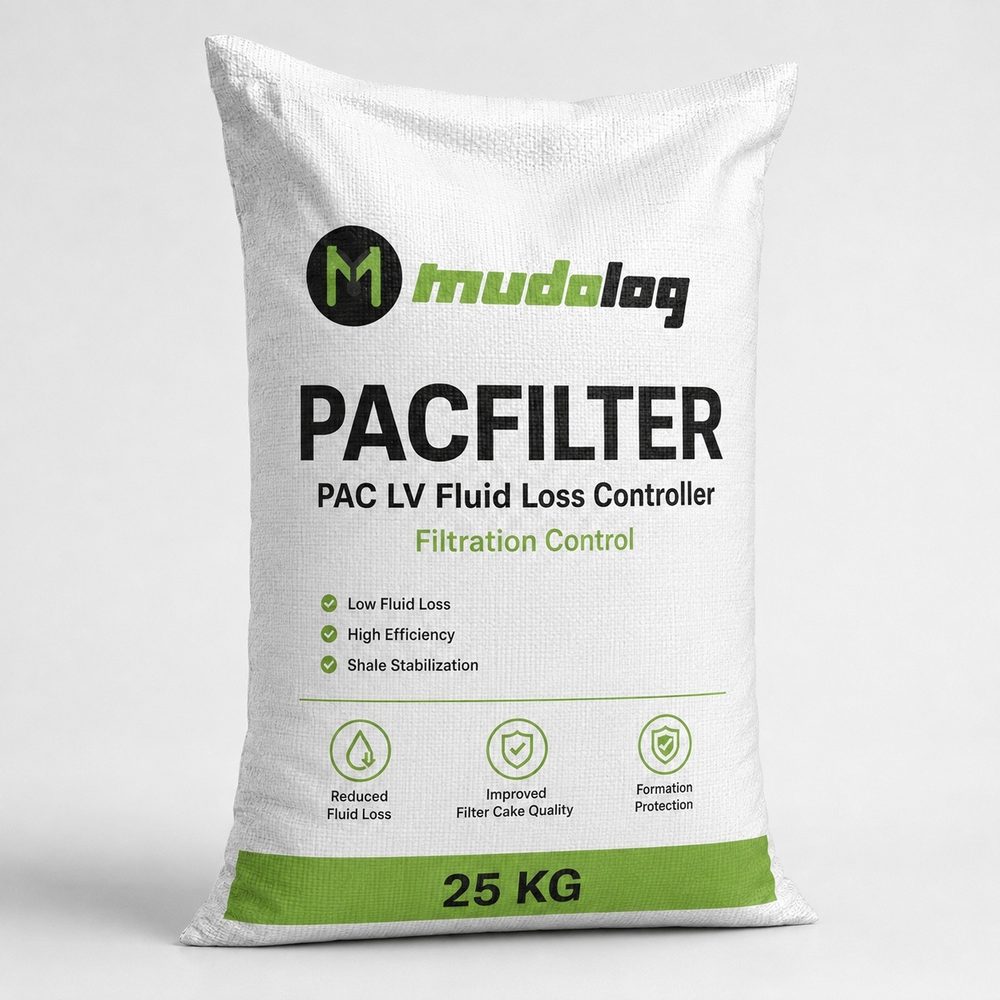 MUDOPAC-LVPAC LV Fluid Loss Controller
PAC LV fluid loss additive for low-viscosity filtration control and stable filter cake formation.
View product →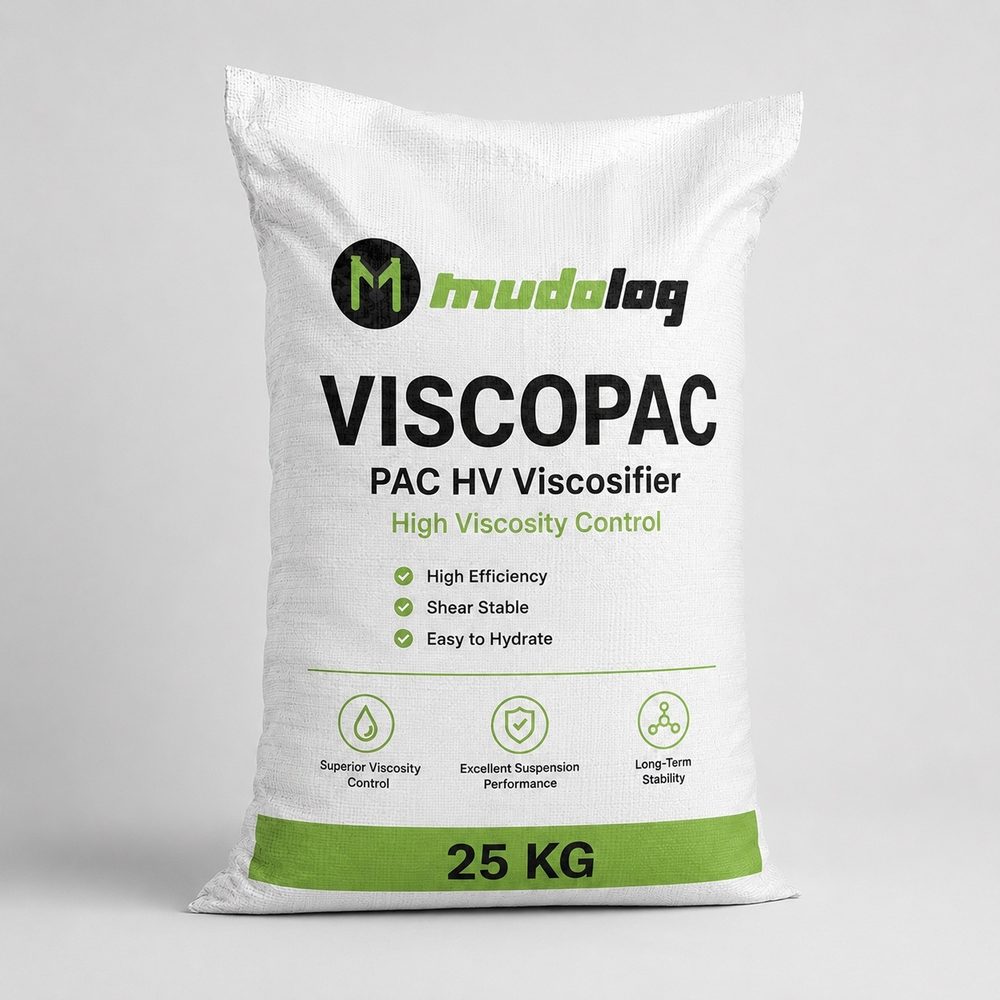 MUDOPAC-HVPAC HV Viscosifier
PAC HV additive for viscosity, carrying capacity and filtration control.
View product →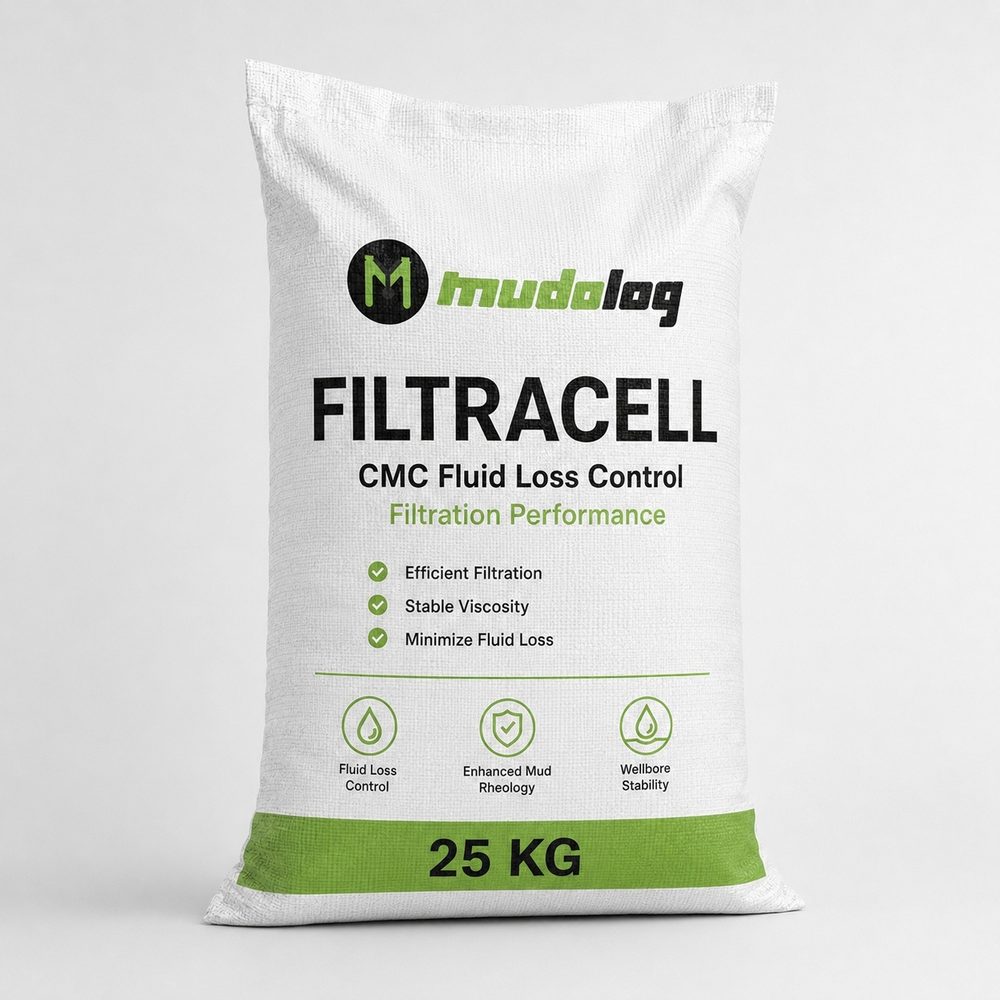 MUDOFIL-CMCCMC Fluid Loss Control
CMC-based economical fluid loss control additive for water-based mud systems.
View product →Dilution or partial replacement can be the correct treatment
If density, fine solids, salinity or contamination keep rising, continuously adding chemicals can become less effective than replacing part of the active volume with conditioned fresh fluid.
Do not keep treating a contaminated recycled fluid as though it were fresh make-up mud
Trend morning versus afternoon pH, hardness/conductivity, funnel viscosity, mud weight, sand and returns. The system should be adjusted to its current condition, not only to the original formulation sheet.
What Mudolog needs from you
Send the field variables that change the fluid decision. A short, technically complete HDD RFQ is more useful than a generic request for “mud chemical price”.
- Make-up water source
- Current pH/hardness/conductivity if available
- Morning vs current funnel viscosity
- Mud weight
- Sand content
- Formation
- Recycler/screens if known
- Current formulation
- How properties change during shift
- Whether full returns are maintained
Products by field function
POLYWELLPowder Drilling PolymerPowder drilling polymer for viscosity, cuttings transport, clay control and borehole stability.
View product →DRILL-WELLLiquid Drilling PolymerFast-mixing liquid polymer for practical field dosing in HDD, water well and core drilling.
View product →MUDOCLAY-OFFReactive Clay Inhibitor & StabilizerReactive clay inhibitor and stabilizer for water-sensitive clay and shale in compatible drilling and completion fluids.
View product →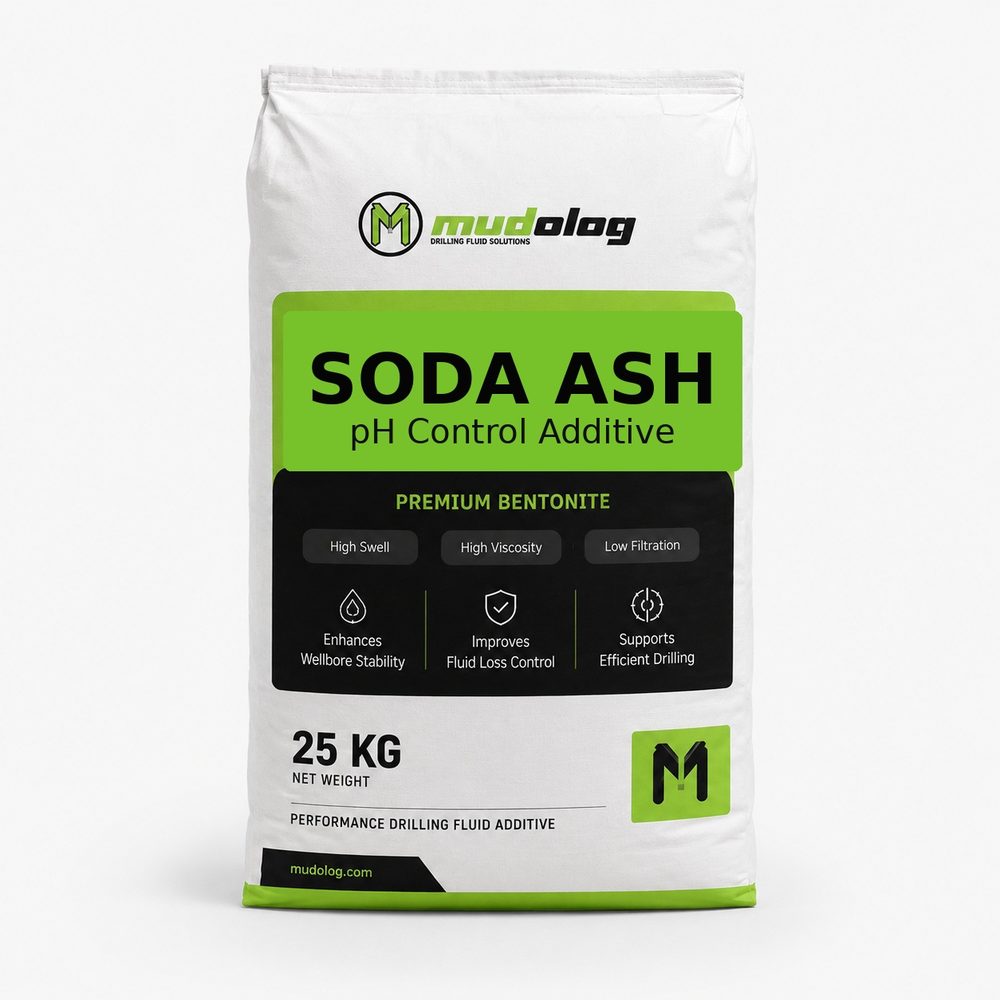 SODA ASHpH Control Additive
Soda ash for pH, alkalinity and make-up water conditioning.
View product →SODIUM BICARBONATECement & Lime Contamination TreatmentSodium bicarbonate for controlled treatment of cement/lime contamination and alkalinity in compatible water-based drilling fluids.
View product →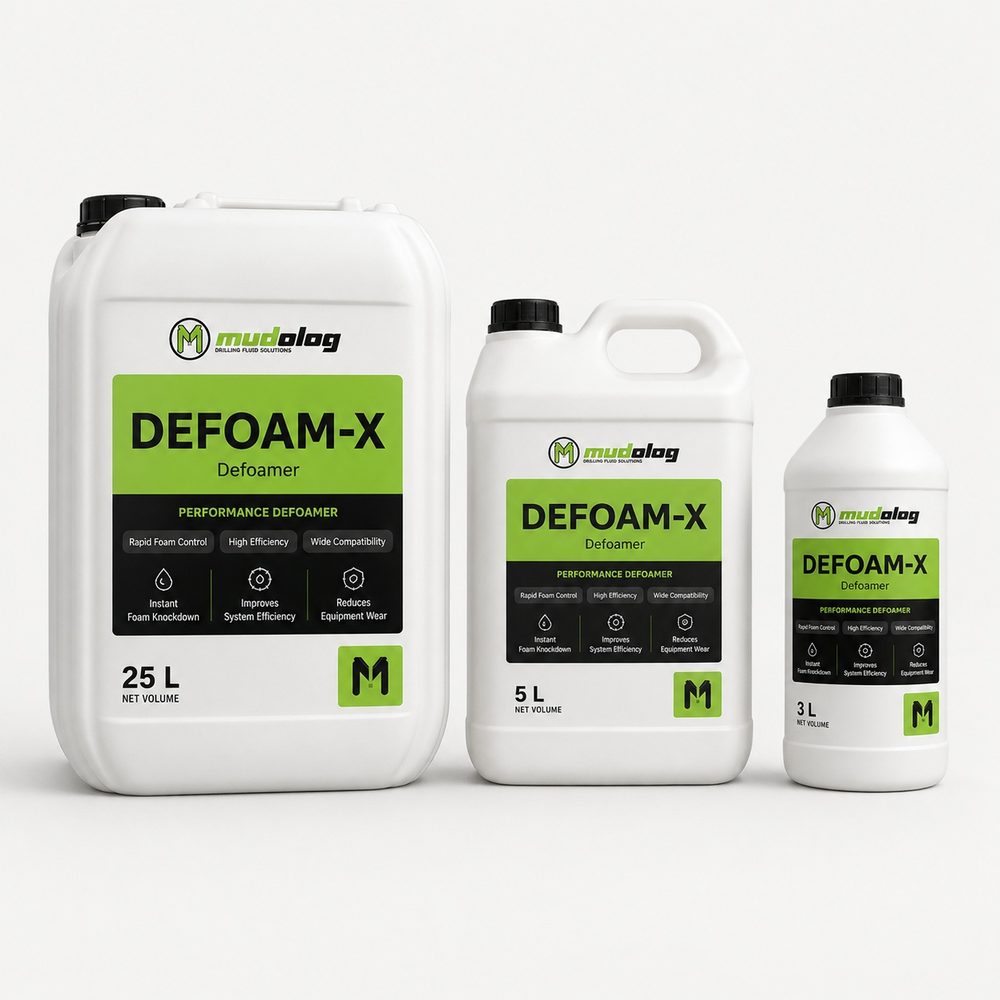 MUDODEFDefoamer
Defoamer for rapid foam knockdown in mud tanks, pumps and circulation systems.
View product →MUDOZANBiopolymer ViscosifierBiopolymer viscosifier for strong low-shear viscosity, suspension and carrying capacity.
View product →MUDOPAC-LVPAC LV Fluid Loss ControllerPAC LV fluid loss additive for low-viscosity filtration control and stable filter cake formation.
View product →MUDOPAC-HVPAC HV ViscosifierPAC HV additive for viscosity, carrying capacity and filtration control.
View product →MUDOFIL-CMCCMC Fluid Loss ControlCMC-based economical fluid loss control additive for water-based mud systems.
View product → MUDOLUBEDrilling Lubricant
Liquid drilling lubricant for water-based mud systems where friction, torque, drag and sticking tendency must be controlled.
View product →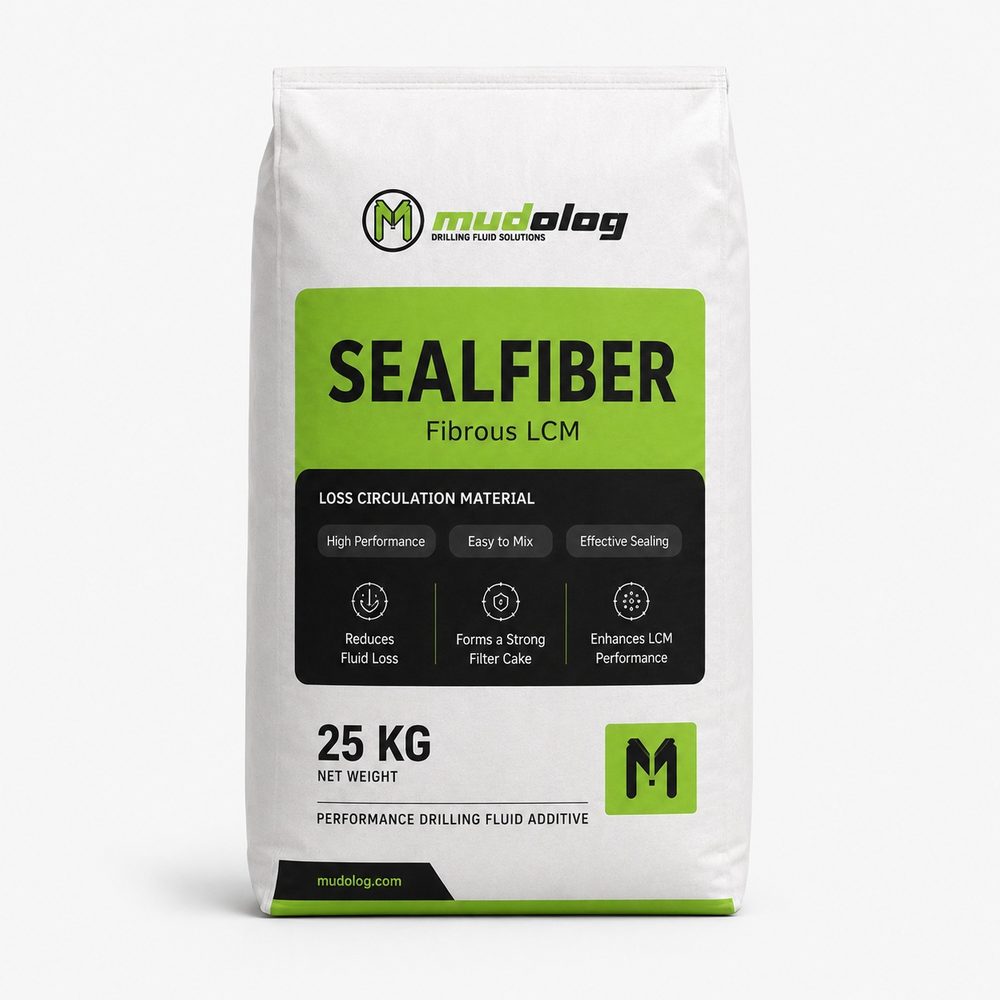 SEALFIBERFibrous LCM
Fibrous lost circulation material for bridging and sealing permeable zones.
View product → FRACPLUGSwelling LCM
Swelling lost circulation material for fractures, voids and highly permeable formations.
View product →Build the fluid around the actual water, formation and field symptom
Share the bore geometry, make-up water, current mud, returns and the specific clay, cleaning, filtration, friction or loss problem. Mudolog can then route the enquiry to the correct product function.